
04 — Calibration
What calibration corrects
Not preference — the gap between what the signal specifies and what the panel emits.
Photo: Jakub Zerdzicki / Pexels
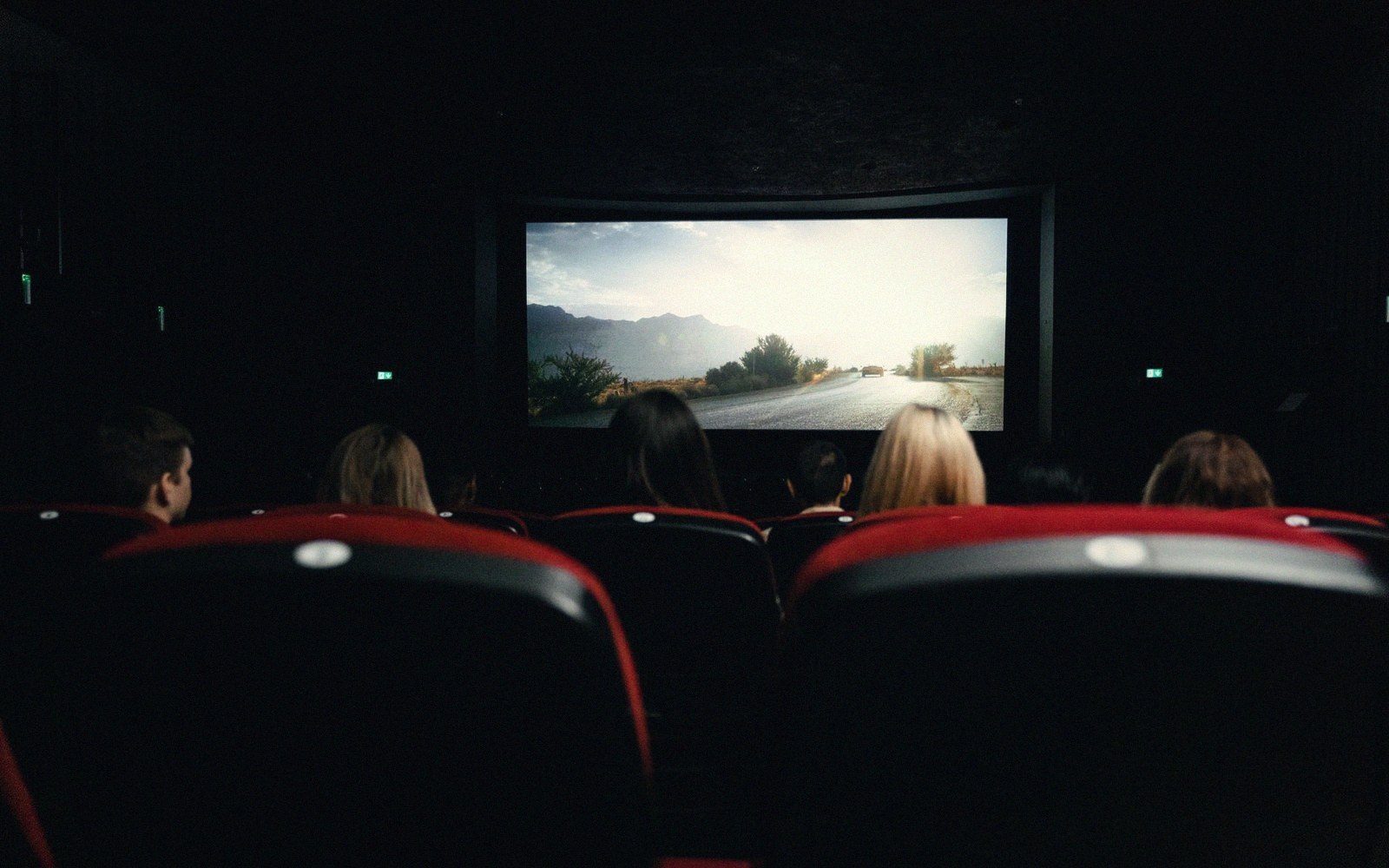
01 — Contrast
At normal seating distance most people cannot resolve the extra pixels, but everyone sees a black that is actually black. Dynamic range is the difference you notice; pixel count is the number on the box.
Fig. 01 · The only light in the room is the one being measured.
Photo: Tima Miroshnichenko / Pexels
The shape of the problem
A display does not reproduce an image. It attempts a curve, and the room subtracts from the bottom of it.
Ambient light does not dim a picture evenly. It lifts the floor. Everything meant to be black arrives as the same dark grey, the steps between the lowest tones collapse into each other, and the curve the grade was made against no longer exists in the room you are sitting in.
04 — Calibration
Not preference — the gap between what the signal specifies and what the panel emits.
Photo: Jakub Zerdzicki / Pexels
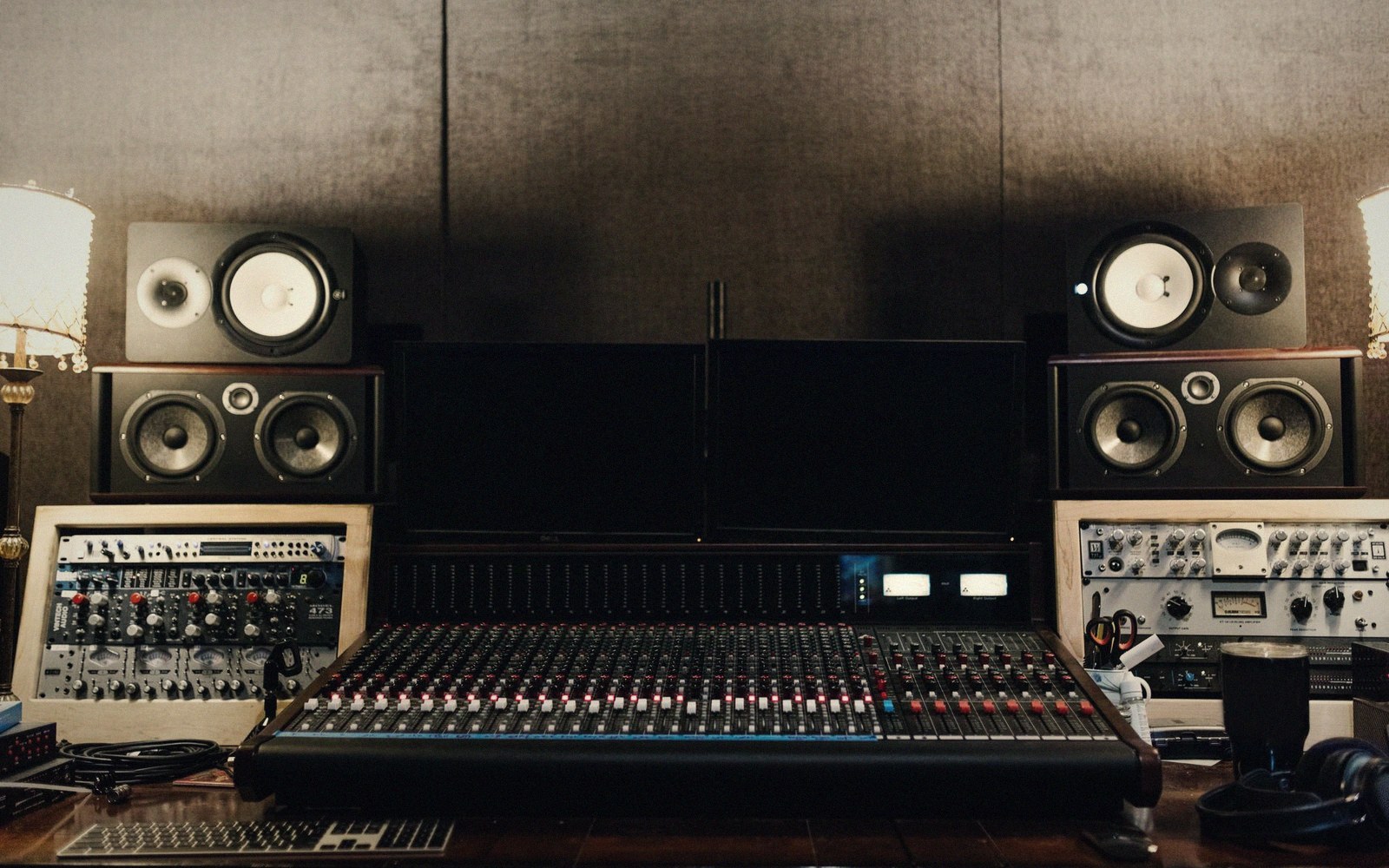
07 — Treatment
The earliest reflected arrivals smear the image. Find them with a mirror and a second person.
Photo: RDNE Stock project / Pexels
01 · CONTRAST
Any light in the room raises the floor and throws the ratio away.
Spend on blackout and dark surfaces.
03 · LIGHT IN THE ROOM
Every surface facing the screen bounces some of it back.
Spend a tin of dark matte paint on the screen wall.
05 · PLACEMENT
Tweeter at ear height, seated, is the whole rule.
Spend on stands before electronics.
06 · BASS
Move the seat a metre and the bass changes completely. Nothing is broken.
Spend on moving things, not on adding level.
07 · TREATMENT
A carpet, curtains and a full bookshelf are treatment.
Spend nothing first: count what the room already has.
08 · THE CHAIN
Visible steps in a gradient are a depth problem, not a panel fault.
Spend on the source and the link, not the panel.
In almost every finished room, the weakest component in the chain is the room.
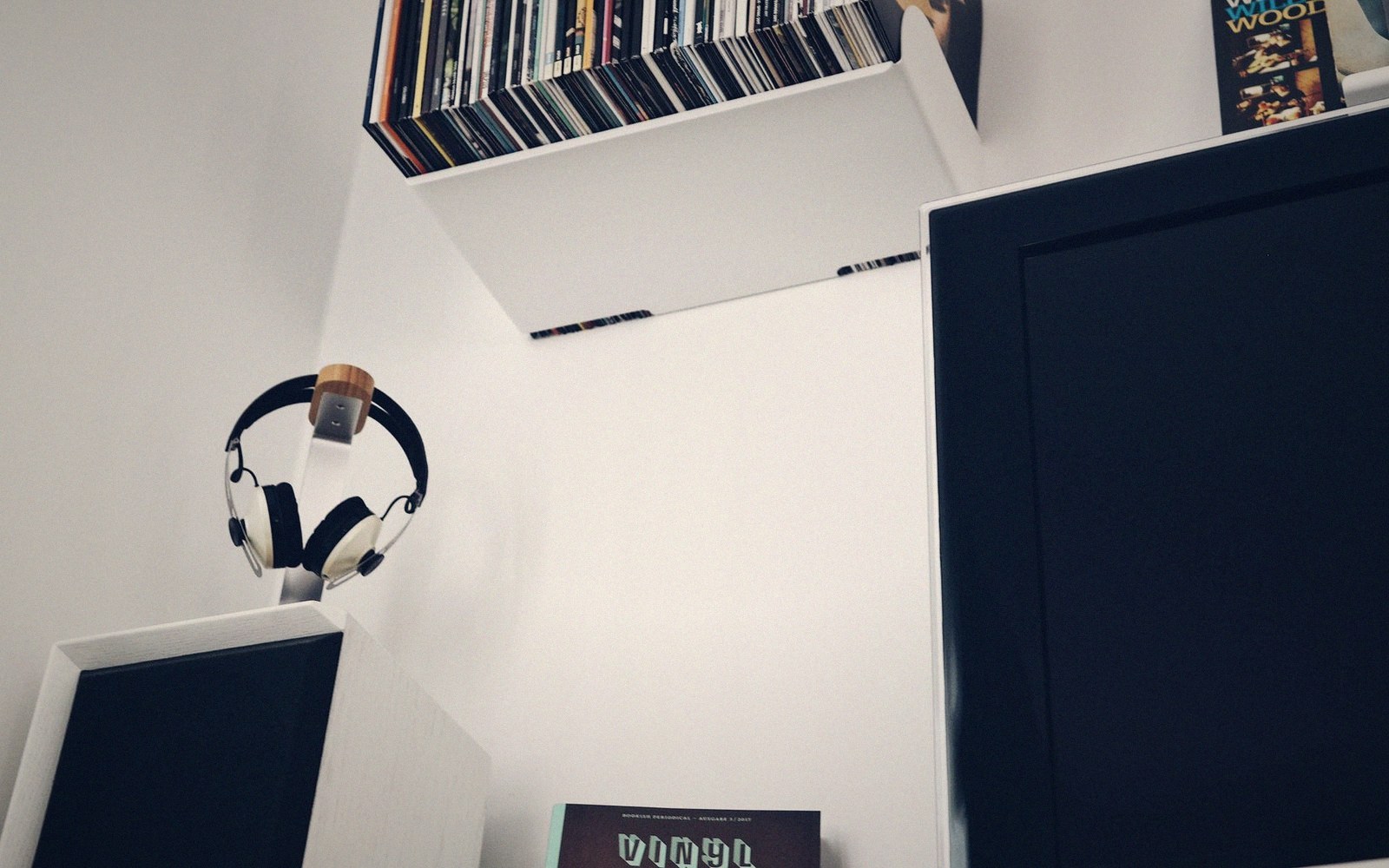
05 — Placement
Angle, distance and height are three numbers that decide whether a soundstage exists. They are set with a tape measure, from the seat, and they are almost never where the furniture wants them.
Photo: Jens Mahnke / Pexels