Burn-in and Lifetime
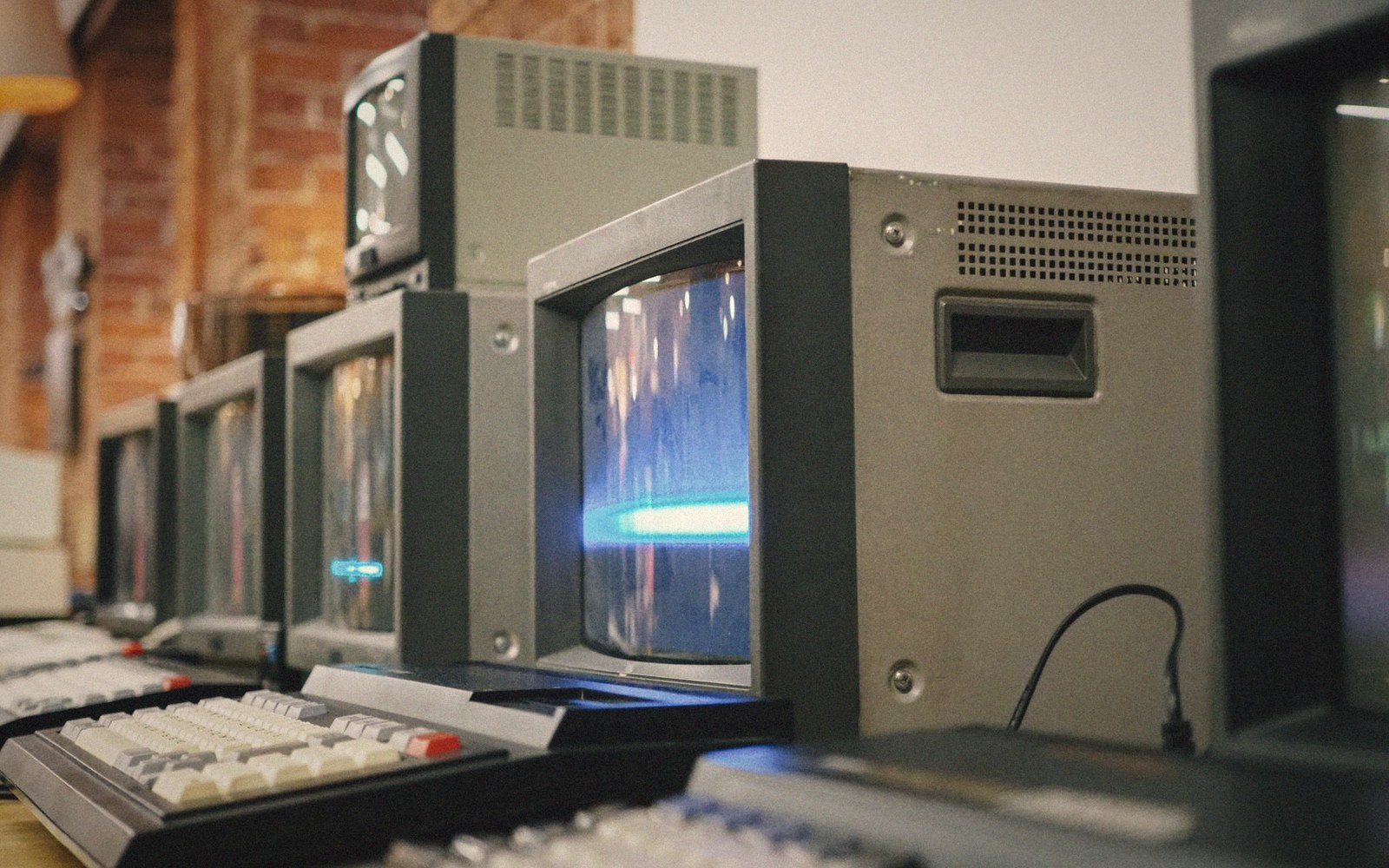
Fig. 01 · Risk follows the use pattern more than the technology. · Photo: Viktorya Sergeeva 🫂 / Pexels
Phosphor memory and organic decay are real physics — understanding which applies to your panel and under what conditions keeps the fear honest.
- The trade-off
- Peak performance against wear under static content.
- Which way to spend
- Spend on habits: vary the content, hide the static furniture.
What Actually Degrades
Every display technology ages, but the mechanism differs, and that difference changes how much it matters in practice.
LCD panels use a backlight — typically LED — and a liquid-crystal layer that modulates it. The backlight dims over tens of thousands of hours, slowly and evenly.
The image quality falls gradually, the change is almost invisible week to week, and it affects the whole panel uniformly. You will not notice it until it is dramatic, and it rarely becomes dramatic before you replace the set for other reasons. Burn-in, in any meaningful sense, is not an LCD problem.
Emissive and transmissive technologies are different. OLED panels — where each pixel generates its own light from an organic compound — are subject to two distinct effects.
First, organic emitters lose efficiency over time; the panel gets dimmer. Second, pixels that spend more time at high brightness age faster than pixels that rest.
If a static bright element — a network logo, a scoreboard, a news ticker — sits in the same position for thousands of hours, those pixels can retain a ghost of that image even when the screen shows something else. That is permanent image retention, and it is what people usually mean by burn-in.

2
The only light in the room is the one being measured.
Photo: Tima Miroshnichenko / Pexels
Plasma panels, now discontinued, had a similar mechanism via phosphor fatigue and were genuinely vulnerable in their early years; manufacturers addressed it partially through pixel-shifting and screen savers.
Modern OLED panels carry analogous compensations built into the firmware: automatic pixel-shifting by a fraction of a pixel, periodic off-cycle refresh routines, and brightness limiting under sustained static content. These work. They do not make the problem impossible, but they move it from a plausible consumer complaint to a genuine edge case.
How to Calibrate Your Concern
The risk is real for a narrow class of use: commercial signage running static content all day, gaming with a persistent HUD element at high OLED brightness for many hours daily over years, or broadcast sport watched obsessively through a single channel.
For a mainstream home cinema environment — varied content, reasonable brightness calibration, normal viewing hours — measured evidence of burn-in causing perceptible damage is rare. Panic about it has sold a lot of LCD screens to people who would have been perfectly happy with better black levels and contrast.
Black level performance is where OLED earns its place in a dark cinema room. Burn-in risk under ordinary home use is not the counterweight it is often presented as. Know the mechanism, manage your usage honestly, and the technology serves the room it is designed for.
Lifted out of the flow — Panels
Risk by use pattern

Risk follows the use pattern more than the technology.
Photo: Rafael Minguet Delgado / Pexels
Burn-in risk under ordinary home use is not the counterweight it is often presented as.
Lifted out of the flow — Panels