What Furniture Already Does
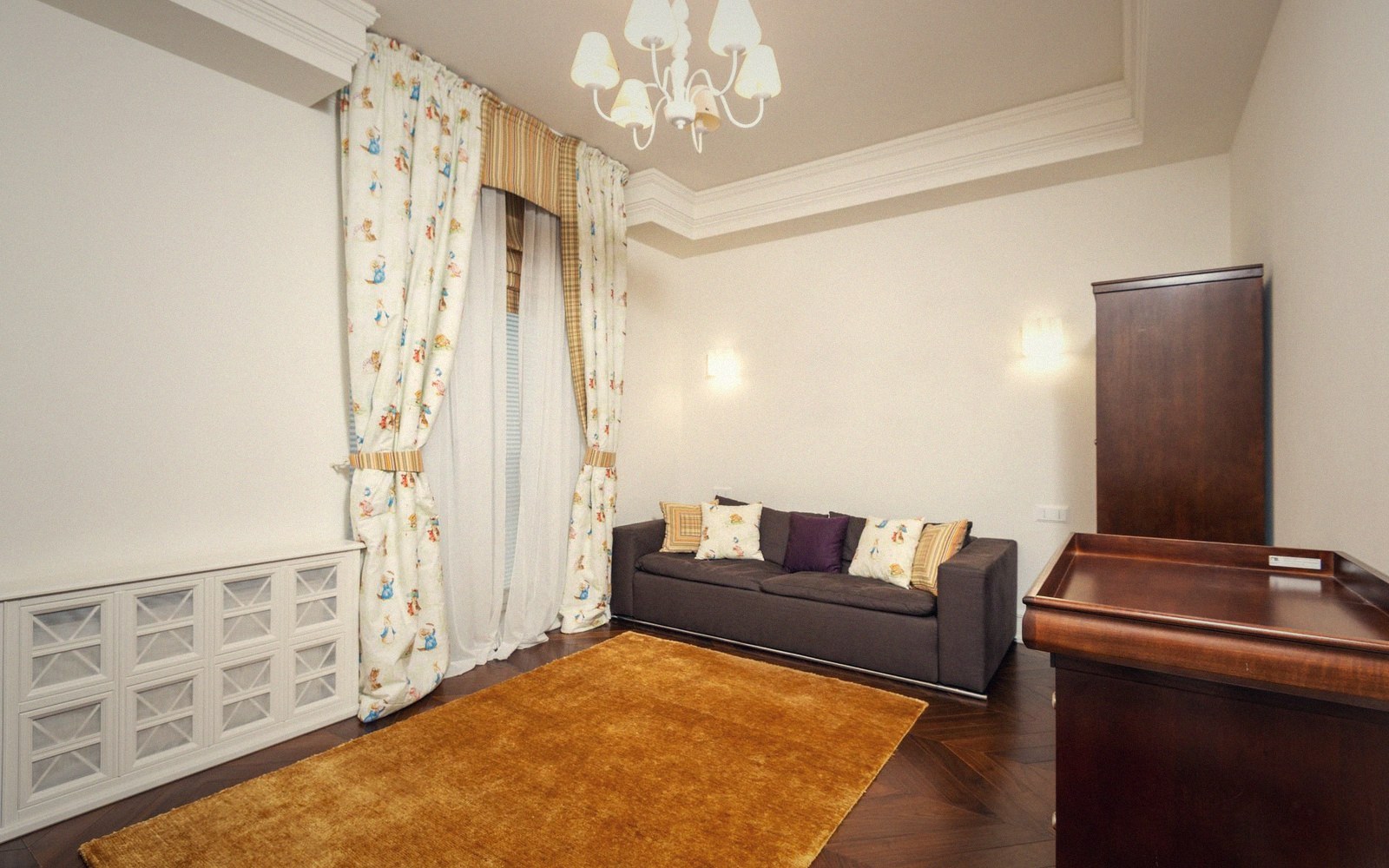
Fig. 01 · A carpet, curtains and a full bookshelf are treatment. · Photo: Max Vakhtbovych / Pexels
Before you buy a single acoustic panel, take stock of what you already own.
- The trade-off
- Looking like a room against measuring like a studio.
- Which way to spend
- Spend nothing first: count what the room already has.
The room is never bare
A furnished room is already an acoustic environment. Carpet attenuates high-frequency reflections at the floor — the most consistent first-reflection surface in any home cinema — though less effectively than purpose-made absorbers of equivalent area.
Heavy curtains across a glazed wall do the same for the frequency range that makes dialogue brittle: roughly 1–4 kHz, where specular reflections are most damaging to stereo imaging.
A full bookshelf, with its irregular face of spines at varying depths, is a diffuser. It scatters rather than absorbs, which is usually what a rear wall needs — killing it dead makes the room sound airless.
None of this is an accident of taste. These objects have mass, porosity, and surface irregularity. That combination is what acoustic treatment is, made of different materials.
2
Absorption goes where the mirror shows a driver, not where there is a convenient gap.
Photo: Guillaume Meurice / Pexels
What you still need to address
Furniture does the easy frequencies reasonably well. It fails at the hard ones. Below roughly 200 Hz, upholstery and carpet are acoustically transparent — the wavelengths are simply too long to care about a sofa cushion.
Standing waves in the bass range are governed by room dimensions, and no amount of soft furnishing changes that. A bare concrete room full of sofas would still have severe bass modes.
That problem needs either bass trapping — dense, deep absorptive material in corners, where pressure maxima concentrate — or subwoofer and seat placement chosen to trade one set of nulls and peaks for a less objectionable one.
The room also doesn't furnish itself symmetrically. If the left wall has a bookshelf and the right wall is bare plaster, the stereo image will pull.
Treatment added to balance an asymmetric space is doing something furniture cannot: it is correcting geometry, not just soaking up energy.
Take stock before you spend. Walk the room and note every soft, porous, or irregular surface. The treatment budget should address what is genuinely missing — bass control, symmetry, a specific flutter echo — not duplicate what is already there.
Lifted out of the flow — Treatment
What furniture does by frequency range
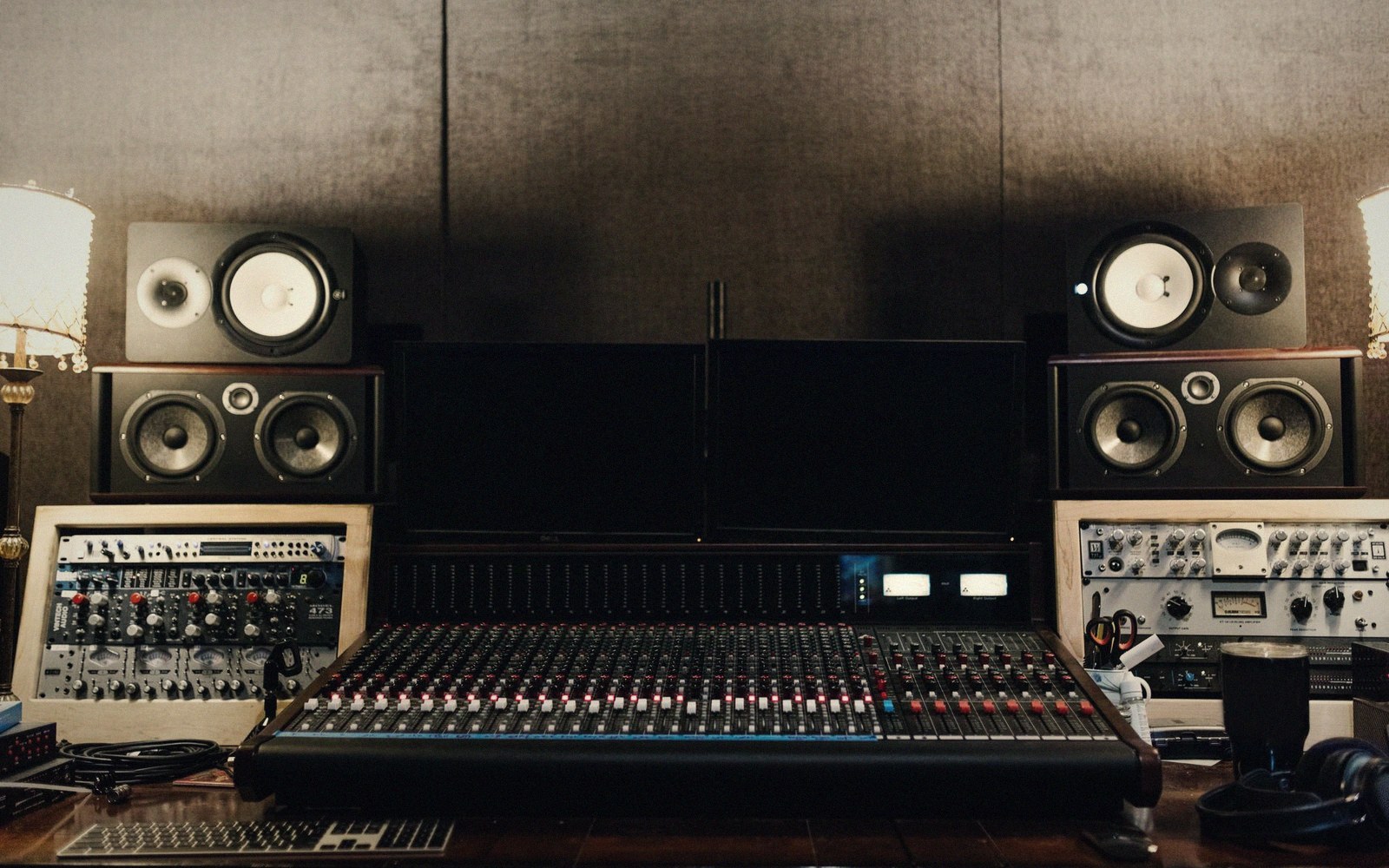
A carpet, curtains and a full bookshelf are treatment.
Photo: RDNE Stock project / Pexels
If the left wall has a bookshelf and the right wall is bare plaster, the stereo image will pull.