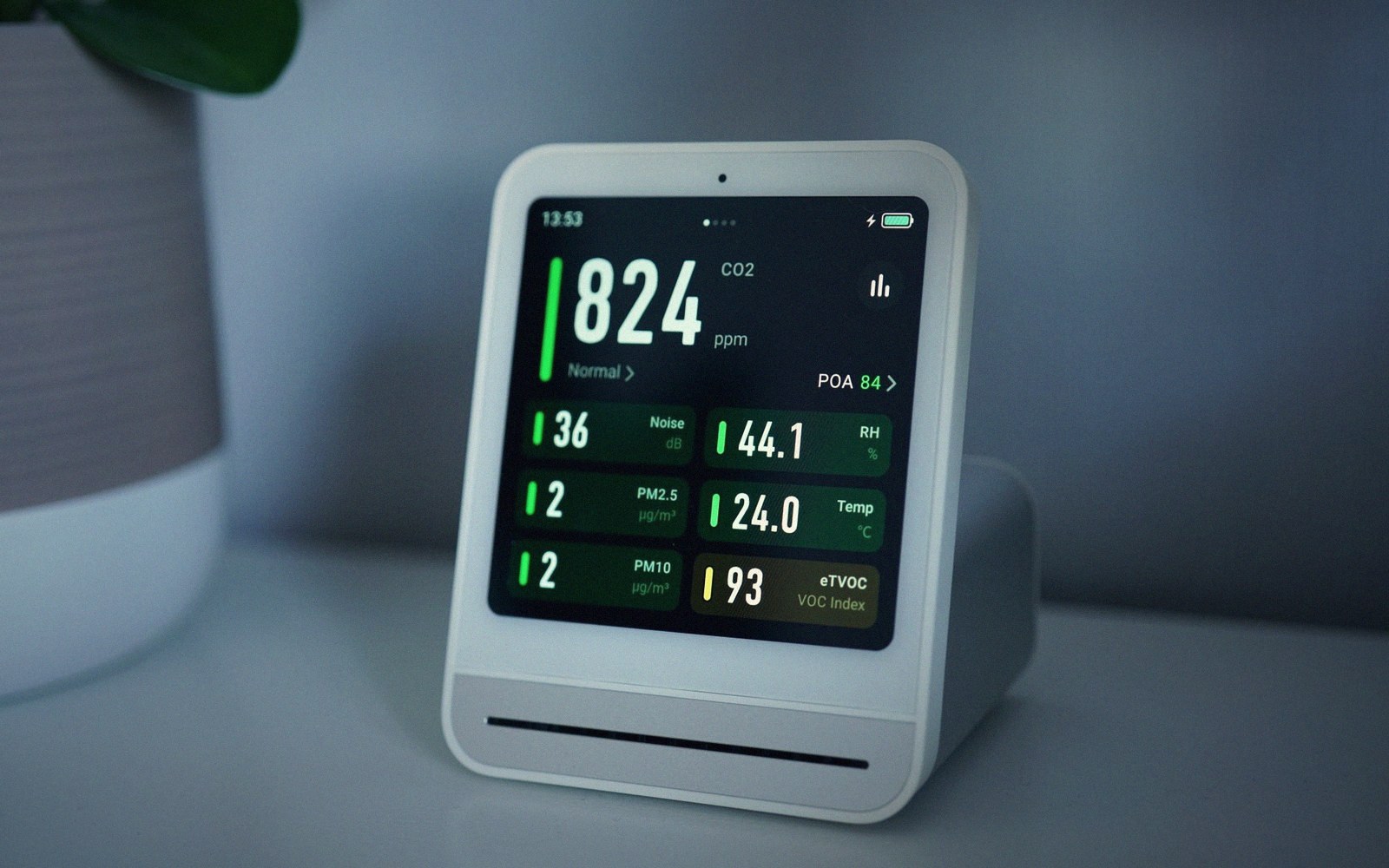
The Meter
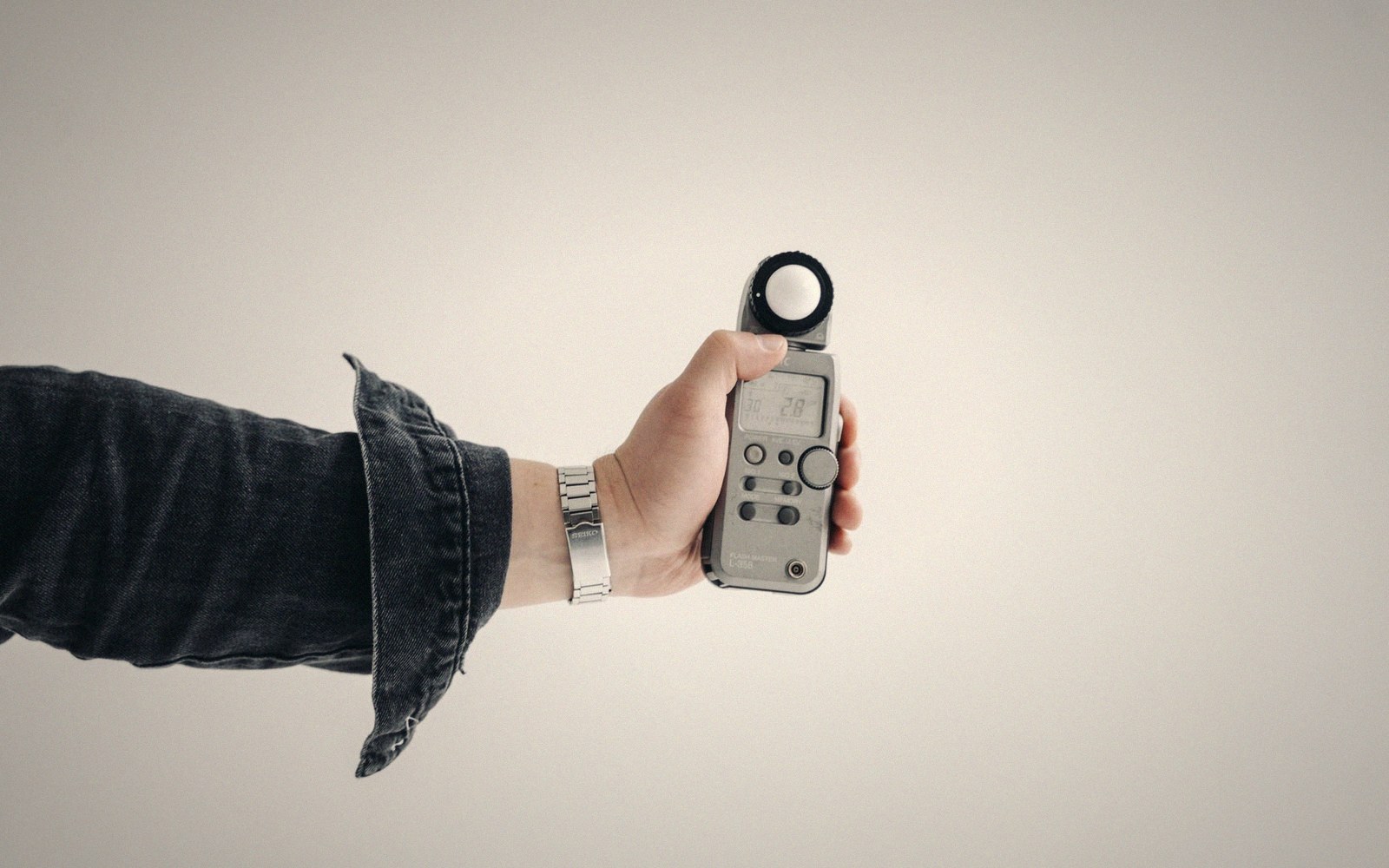
Fig. 01 · The eye adapts faster than it measures. The instrument does not adapt at all. · Photo: Tim Witzdam / Pexels
Calibration without a measurement tool is rearranging furniture in the dark — you're correcting to a memory that shifts every time you look.
- The trade-off
- The cost of an instrument against guessing.
- Which way to spend
- Spend on measurement, or on somebody who owns it.
Why the eye cannot do this job
The human visual system is a context machine, not a photometer. Stare at a grey patch for thirty seconds and the grey shifts — not on the screen, in your head.
Chromatic adaptation does the same thing with colour: your eye white-balances continuously, papering over errors that a meter will catch as a solid 200K drift in correlated colour temperature.
This is not a flaw; it is exactly the visual system working as designed, smoothing over an inconsistent world. It is, however, catastrophic for calibration, where the whole task is to measure the gap between what the signal specifies and what the panel emits.
A meter makes that gap legible. A colorimeter reads XYZ tristimulus values — three numbers that describe colour independent of any observer — and passes them to software such as CalMAN or DisplayCAL.
The software compares the measured result against a target (typically Rec. 709 for SDR, Rec. 2020 or a DCI-P3 container for HDR content) and expresses the error in Delta-E units.
A Delta-E below 2 is considered imperceptible under critical viewing; above 4, most people can see it without trying. None of that is available to the naked eye. The eye can tell you something looks wrong only after the fact, and only vaguely.
The signal chain compounds the problem. A display's grayscale error — the colour bias that calibration mainly corrects — rarely looks like a colour cast. It looks like slightly cold highlights or slightly warm shadows, easy to rationalise as content.
A meter doesn't rationalise. It reports. A spectroradiometer goes further: it reads the actual spectral power distribution of the emitted light, which matters when profiling wide-gamut panels or validating HDR peak luminance figures.
Colorimeters are cheaper and fast; spectroradiometers are more accurate and slower. For a home theatre calibration workflow the colorimeter is the practical tool, provided its correction matrices are matched to the panel technology — an uncorrected colorimeter on an OLED gives different numbers than the same meter on an LCD backlit with a narrow-spectrum LED array.
2
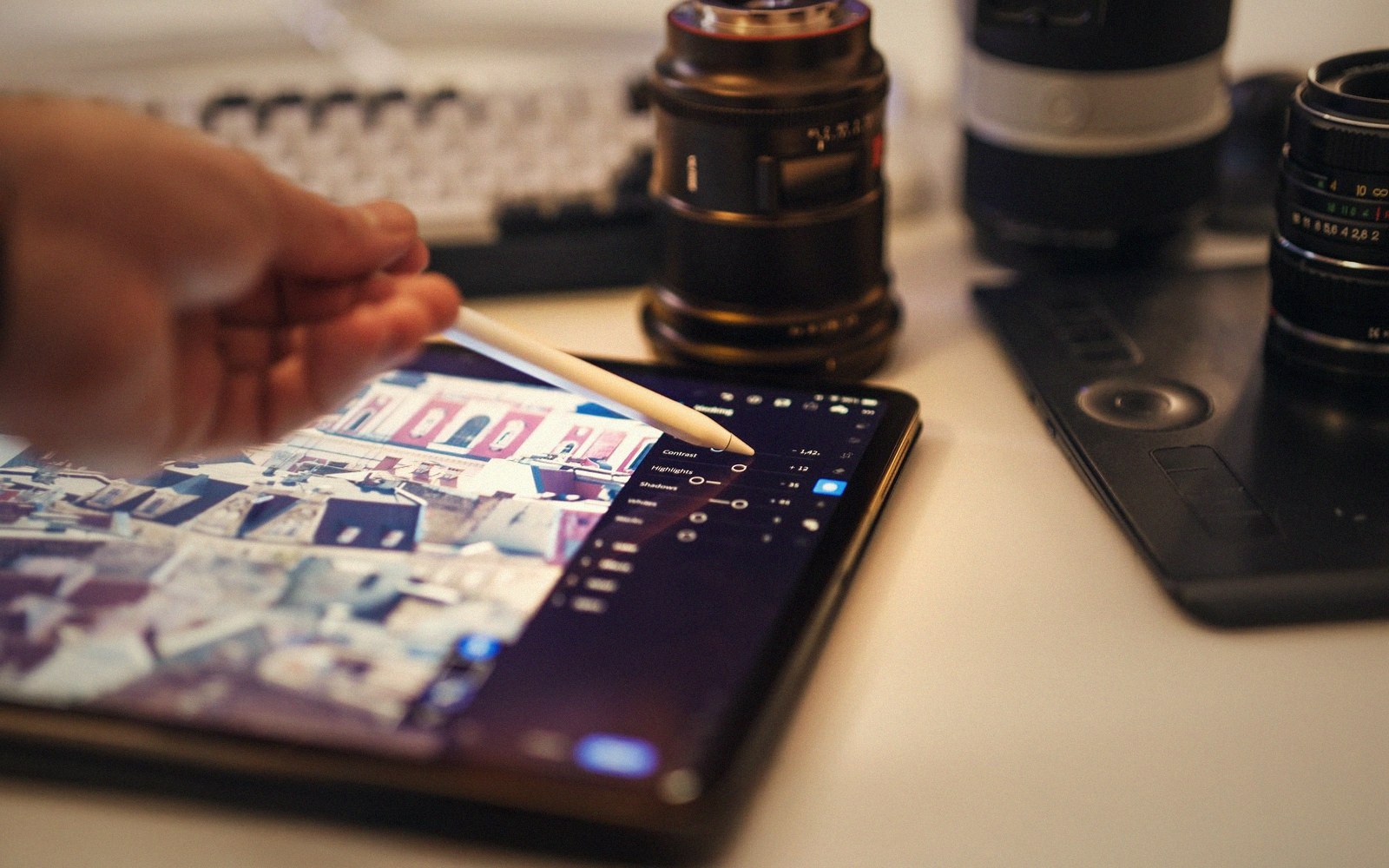
A grey-scale run read off the panel rather than off the menu.
Photo: Tima Miroshnichenko / Pexels
Setup also requires a luminance meter for one specific job: setting absolute white and black levels against the room's adapted viewing condition. Black level in particular — the floor the room and panel together produce — is not a relative reading.
It is an absolute one in candelas per square metre, and it sets the entire contrast ratio the viewer will actually experience. The eye, having adapted to whatever darkness it finds, cannot see the floor for what it is. The meter can, and does, every time.
Lifted out of the flow — Calibration
The measurement numbers that matter
The eye adapts faster than it measures. The instrument does not adapt at all.
Photo: Jakub Zerdzicki / Pexels
The eye, having adapted to whatever darkness it finds, cannot see the floor for what it is.
Lifted out of the flow — Calibration