Motion
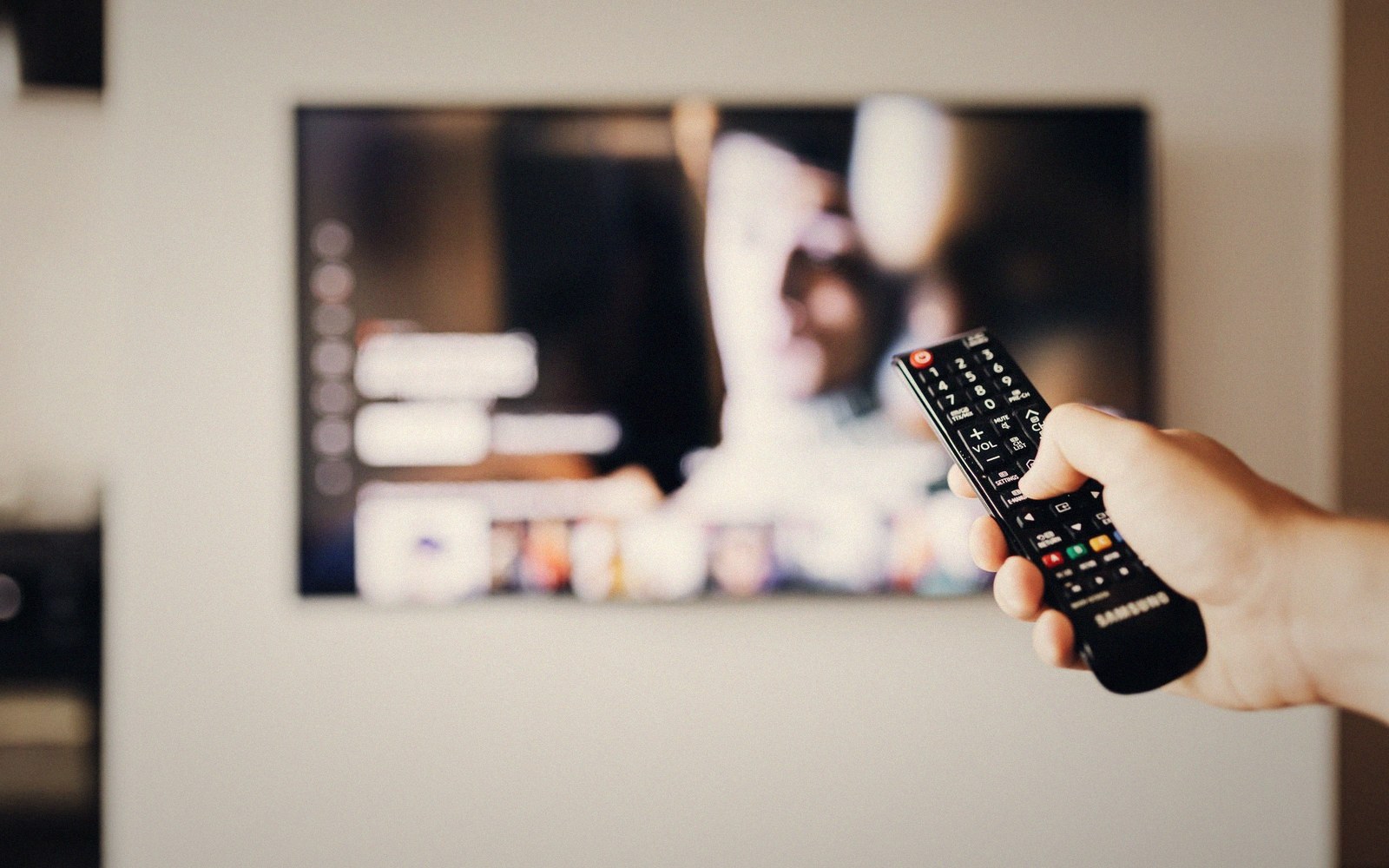
Fig. 01 · How long each frame is held decides how sharp movement looks. · Photo: https://kaboompics.com/ / Pexels
Persistence, sample-and-hold, and why film judder is not a fault.
- The trade-off
- Crisper motion against a dimmer picture.
- Which way to spend
- Spend on understanding the cadence, not on interpolation.
The display that stays on between frames is lying to you
Every frame a display shows is a still image. The motion you perceive is a construct — one the display can either help or actively undermine, depending on how its pixels behave in time.
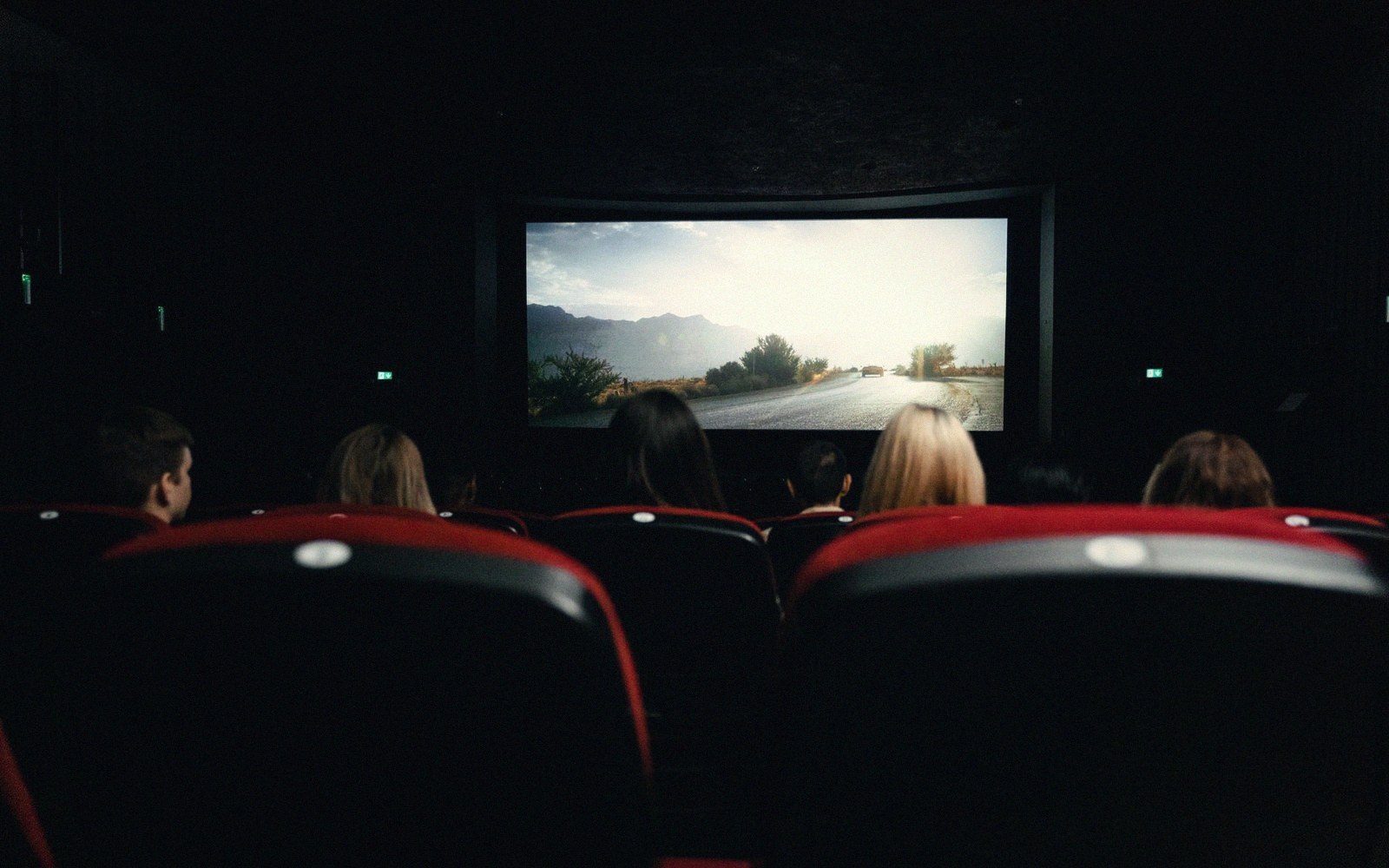
Film shoots at 24 frames per second. A cinema projector flashes each frame two or three times with a rotating shutter, producing brief pulses of light separated by darkness. Your eye tracks motion across those dark gaps, and the result reads as smooth.
The judder you notice on a home display showing 24 p content is largely not judder in the signal — it is the absence of that intervening darkness. An LCD panel holds each frame continuously until the next one arrives. That is called sample-and-hold, and it is the root cause of most motion complaints.
When your eye follows a moving object across a sample-and-hold display, the panel emits the same pixel position for the full frame period while your eye has already moved on.
The result is perceived blur — not because the panel is slow to switch, but because it stays lit too long. Pixel response time matters at the margins, but the dominant artefact in modern displays is hold blur, not switching blur.
2
The only light in the room is the one being measured.
Photo: Tima Miroshnichenko / Pexels
The remedies each introduce their own costs. Backlight strobing — cutting the light during part of each frame period — reintroduces those dark gaps and largely restores the film-projector character, but at the price of brightness: a panel strobing at 50 percent duty loses roughly half its peak output.
Motion-compensated frame interpolation inserts synthetic frames calculated from adjacent originals; it can eliminate hold blur without the brightness penalty, but the computation introduces a small latency and the artefacts around complex edges and fast camera cuts are real and sometimes visible.
The so-called soap-opera effect — the hyper-smooth look that makes filmed drama feel like video — is exactly this interpolation applied too aggressively.
Neither fix is wrong. Strobing favours dark rooms where the brightness loss is affordable and cinematic cadence matters. Interpolation favours sport and gaming, where motion clarity outweighs artefacts.
Understanding which problem you are actually solving — hold blur, pixel response, or the expectation of a different acquisition frame rate — stops you reaching for settings that make things worse.
Lifted out of the flow — Panels
The core mechanics

How long each frame is held decides how sharp movement looks.
Photo: Rafael Minguet Delgado / Pexels
Strobing favours dark rooms where the brightness loss is affordable and cinematic cadence matters.
Lifted out of the flow — Panels