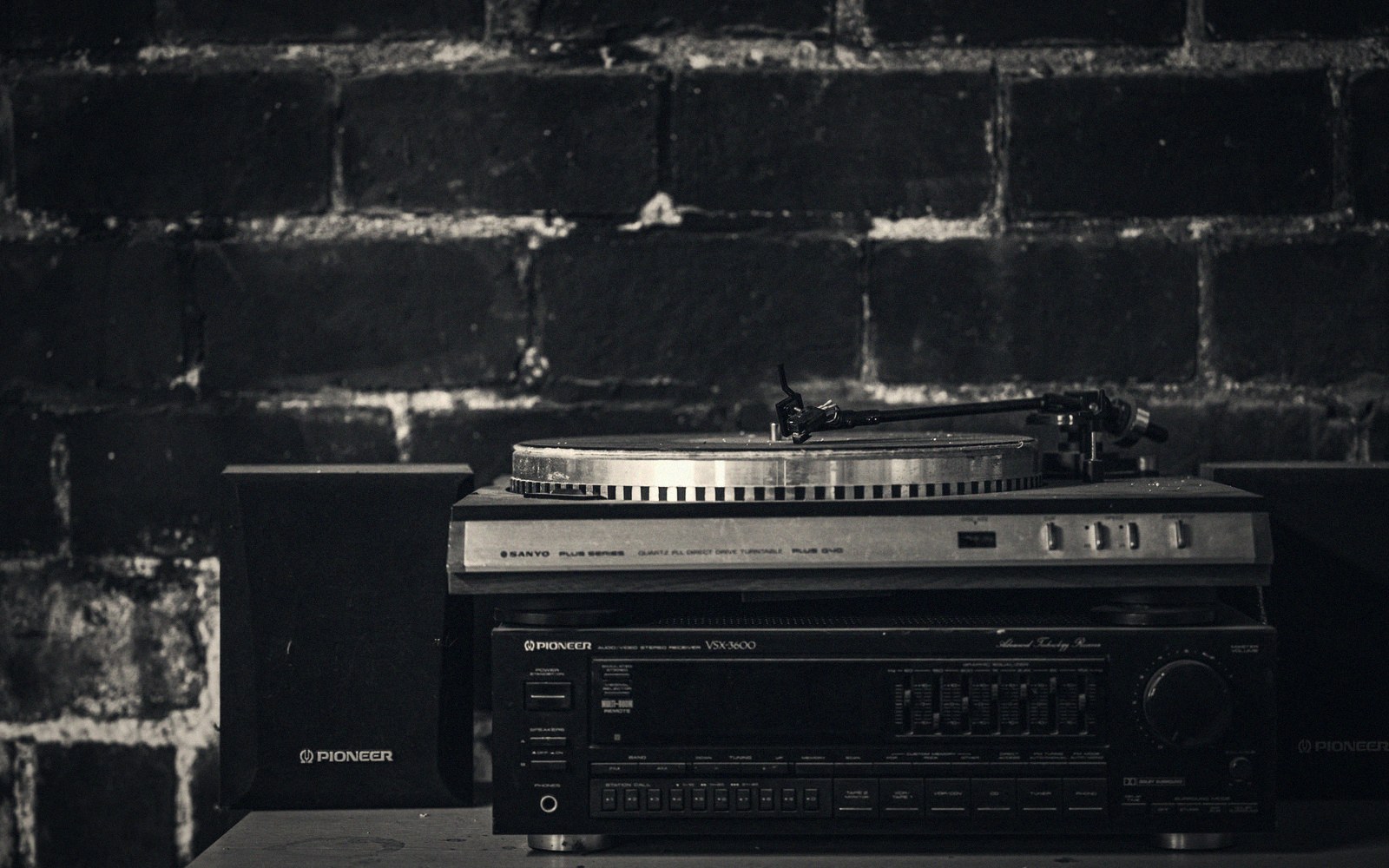
Distance from walls
Fig. 01 · A boundary reinforces low frequencies whether or not you asked it to. · Photo: Chris F / Pexels
Boundaries reinforce low frequencies whether you want it or not.
- The trade-off
- Floor space against bass evenness.
- Which way to spend
- Spend the space: pull the speakers out.
The boundary effect you can't opt out of
Place a speaker against a wall and bass output rises — typically by several decibels in the low frequencies — because the boundary prevents the sound from radiating freely behind the driver. Move it into the room and that reinforcement diminishes.
The physics is simple: a driver radiating into open space sends energy in every direction; a nearby wall folds some of that rearward energy back into the forward field. Two walls at a corner compound the effect further. This is not a defect in the speaker; it is a property of geometry.
The practical consequence is a hump in the low-frequency response roughly below 200 Hz, and how large and where it sits depends on the distance between the cabinet and the boundary.
At very close distances — a few centimetres — the boundary and the driver couple so tightly the reinforcement is essentially flat, useful if the speaker is intentionally designed for in-wall or on-wall placement and voiced accordingly.
Pull that same speaker out to roughly 30–60 cm and the reinforcement becomes frequency-dependent: some bands are boosted, others cancelled, producing an uneven shelf rather than a clean lift. The result is a thick, one-note quality to the midbass that no amount of toe-in or room treatment will fix, because the problem is at the radiation stage, not the reflection stage.
The corrective logic runs in two directions. First, match the speaker to the placement: a cabinet designed for near-boundary use is deliberately voiced with a leaner bass alignment, anticipating the boost.
A speaker built for free-standing use placed tight against a wall will almost always sound heavy and congested. Second, if the design is genuinely free-standing, distance from the rear wall should be treated as a variable to optimise, not an afterthought constrained purely by room aesthetics.
A metre of clearance is a reasonable starting point; whether you need more or less depends on where the resulting standing waves land in the room and where the seat sits relative to them.

2
Toe-in is set from the seat with a tape, not judged from behind the cabinet.
Photo: Jens Mahnke / Pexels
Side walls matter too, though usually less than the rear boundary, because the geometry is asymmetric — tweeters and midrange drivers are more directional than woofers, so the side wall's influence is weighted toward the frequencies where imaging is most legible. Getting the two speakers equidistant from their respective side walls is more important than maximising that distance.
None of this means a speaker must dominate the room. It means the distance decision has a frequency-domain consequence, and making it deliberately — testing, listening, measuring — beats sliding the cabinets wherever the sofa fits.
Lifted out of the flow — Placement
Key relationships
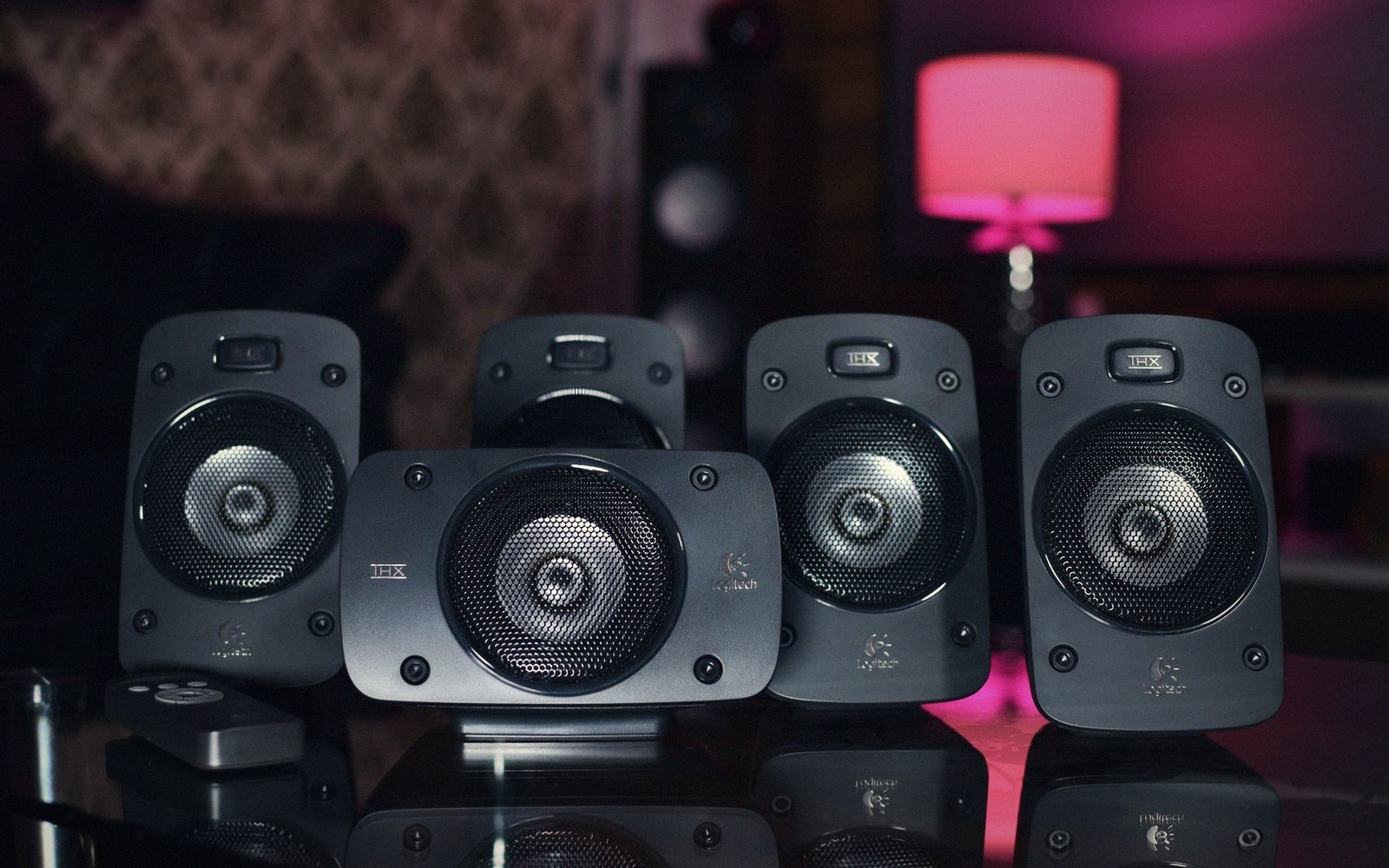
A boundary reinforces low frequencies whether or not you asked it to.
Photo: Avinash Kumar / Pexels
A speaker built for free-standing use placed tight against a wall will almost always sound heavy and congested.