The Room Lifts the Black
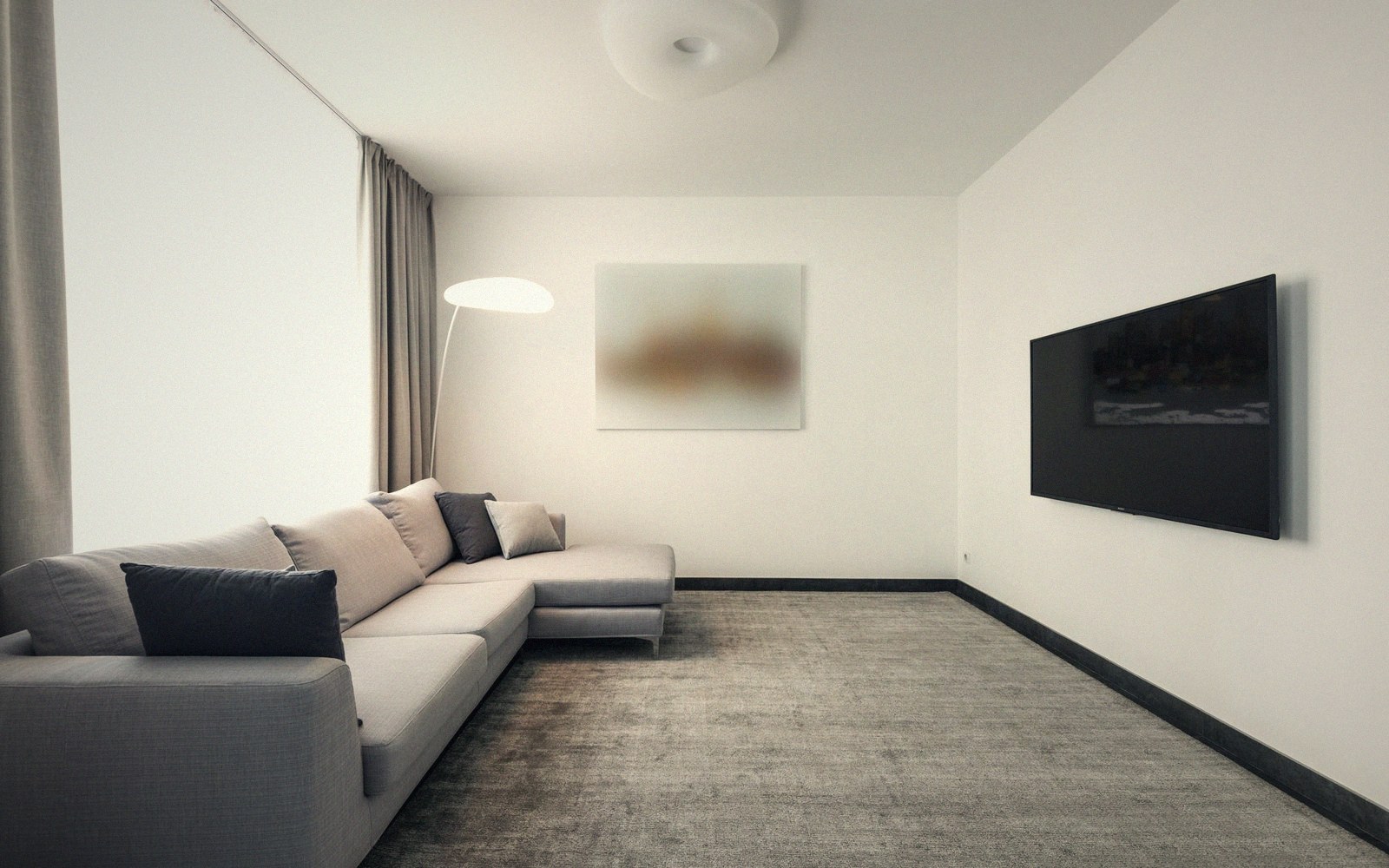
Fig. 01 · Ambient light does not dim a picture evenly — it raises the floor. · Photo: Max Vakhtbovych / Pexels
Your panel's contrast ratio is measured in the dark. Your room is not dark.
- The trade-off
- The convenience of a lit room against the bottom of the display’s range.
- Which way to spend
- Spend on blackout and dark surfaces.
Why the Floor Never Reaches Zero
A display manufacturer measures contrast in a blacked-out lab: the panel shows a full-field white, then a full-field black, and the ratio between the two luminance readings becomes the headline figure. Nothing in that lab reflects onto the screen. Your room does not offer you that courtesy.
Every surface facing the screen — the ceiling, the side walls, the coffee table, the pale upholstery — catches some fraction of the light the panel throws and redirects a portion of it straight back at the panel.
That returned light lands on the screen surface and adds to whatever the panel is already emitting during a dark scene. The black level, which the panel worked to achieve, rises. The white level stays roughly where it was. The ratio collapses.
The maths are unforgiving. Suppose a panel achieves a genuine native contrast of 2,000:1 in the lab — a modest but honest figure for a transmissive LCD. In a normally furnished room with neutral-coloured walls and a ceiling light off but ambient spill present, even a few tenths of a foot-lambert of reflected and ambient light landing on the screen can compress that ratio to something closer to 200:1. You have not changed the panel. You have changed the denominator.
2
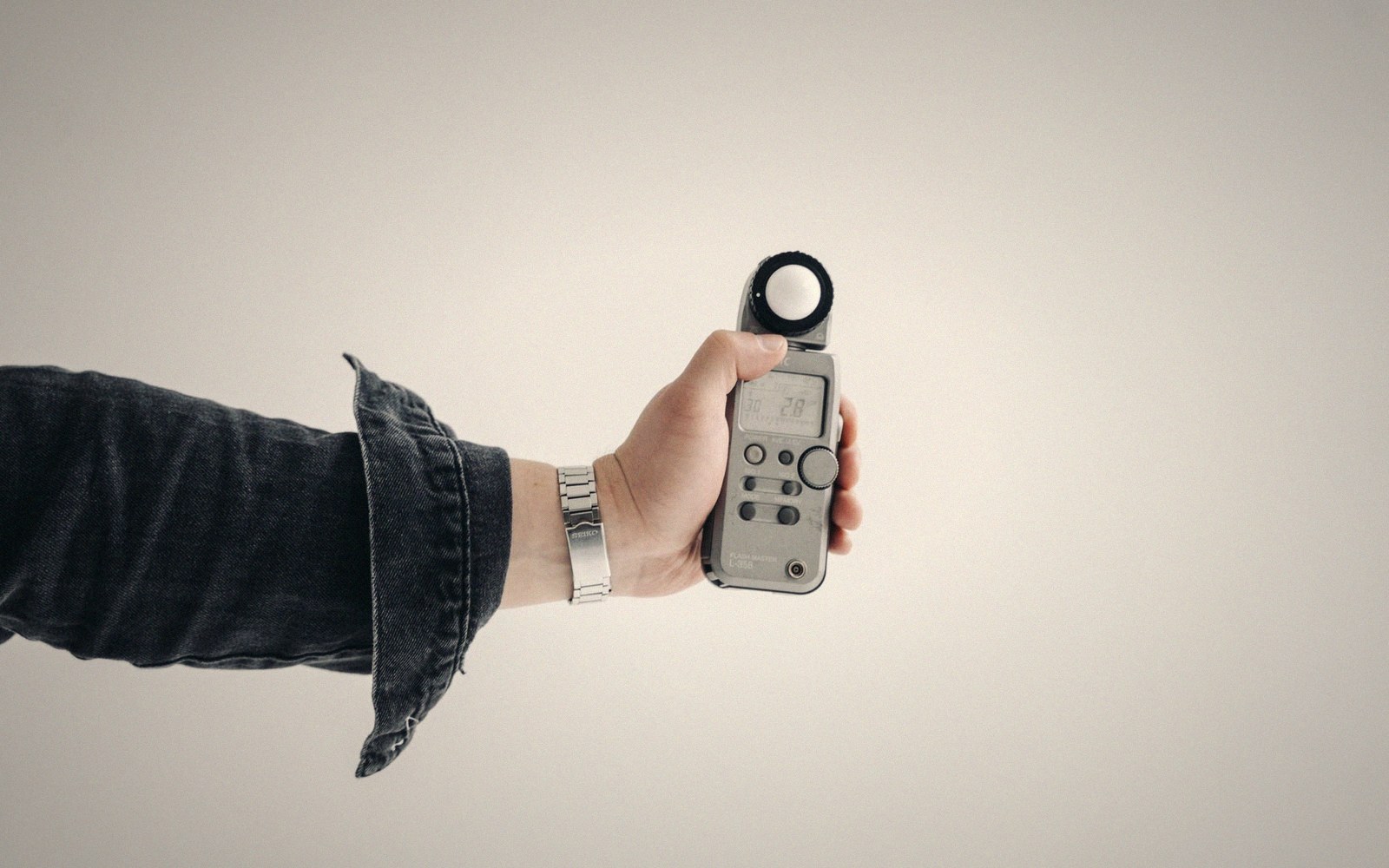
A grey-scale run read off the panel rather than off the menu.
Photo: Tima Miroshnichenko / Pexels
This is why black level and room conditions are inseparable conversations. A panel that looks stunning in a darkened showroom can disappoint in a living room lit for reading, not because anything failed but because the physics were always conditional on the environment. Shadow detail disappears into a grey fog. Perceived depth flattens. The image looks washed.
The practical consequence is directional: anything that reduces the light reaching the screen from the room recovers contrast that the panel technically already has. Dark wall paint, controlled window coverage, and extinguishing all sources in the viewing eyeline during viewing each contribute.
So does keeping the screen surface itself clean — dust and fingerprints scatter ambient light efficiently. Bias lighting behind the panel does not reduce ambient light falling on the screen, but it shifts the eye's adaptation point so the lifted black reads as darker relative to the adapted state.
The panel sets a ceiling on achievable contrast. The room sets the floor. Engineers spend enormous effort raising that ceiling. Most of the everyday gain is on the floor.
Lifted out of the flow — Contrast
The core numbers
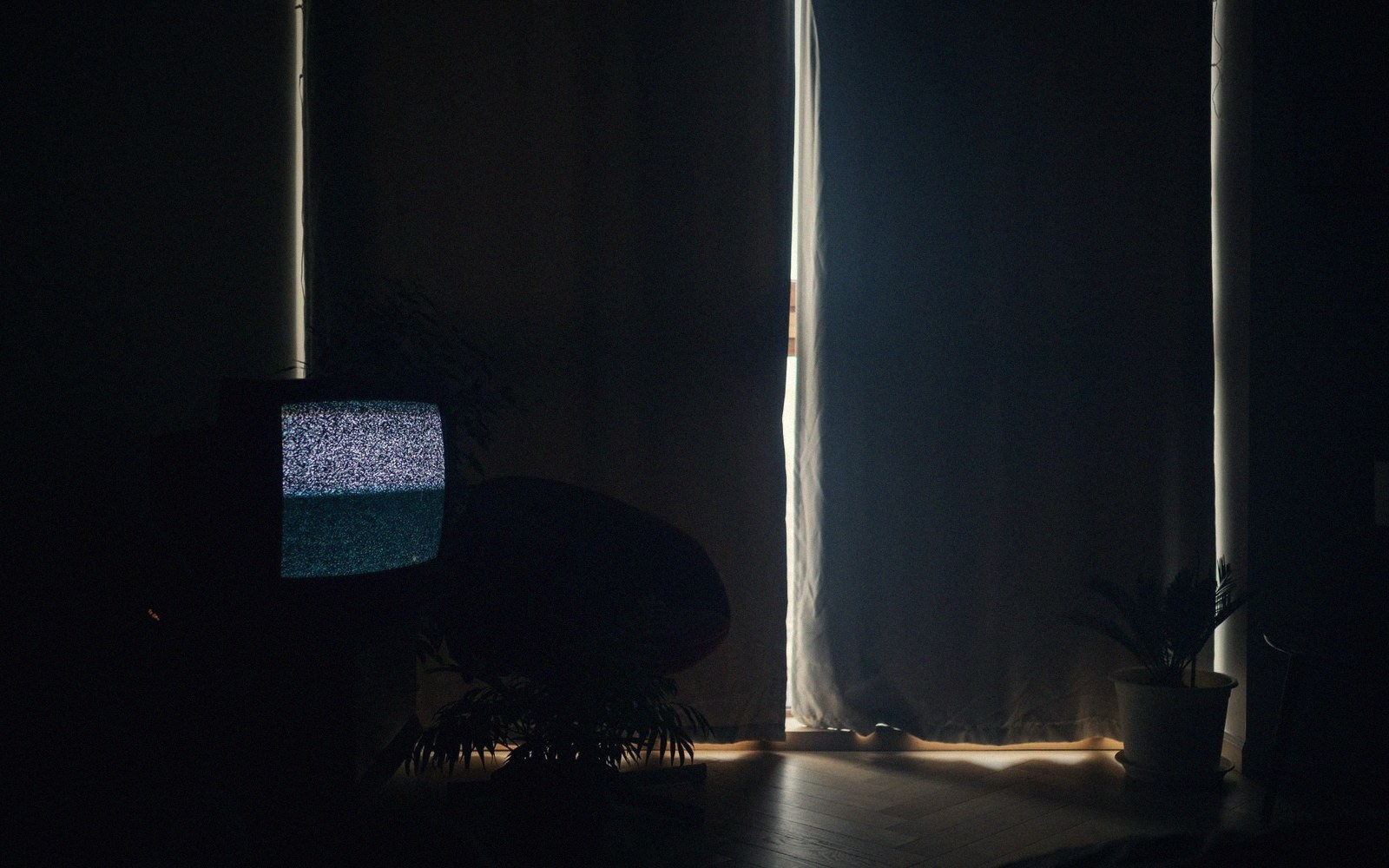
Ambient light does not dim a picture evenly — it raises the floor.
Photo: Ron Lach / Pexels
So does keeping the screen surface itself clean — dust and fingerprints scatter ambient light efficiently.