The Bright Room Problem
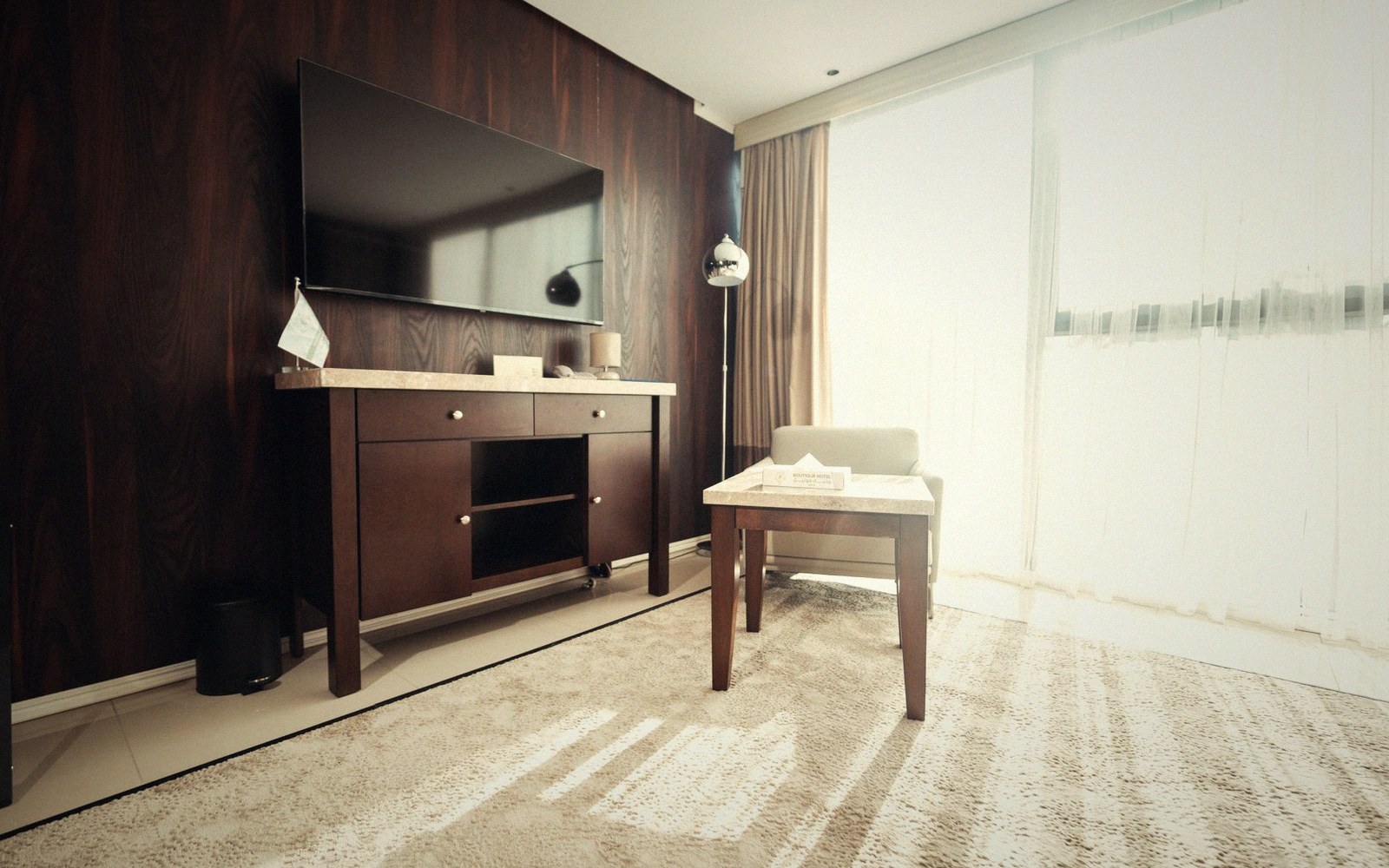
Fig. 01 · A screen competes with every other lit surface in the room, and usually loses. · Photo: khezez | خزاز / Pexels
A screen competes with everything else lit in the room, and it usually loses.
- The trade-off
- Daylight and company against contrast.
- Which way to spend
- Spend on controlling light before changing the display.
What Ambient Light Actually Does
A display works by sending photons toward your eyes. So does every other light source in the room. Your visual system cannot distinguish where each photon originated — it integrates everything arriving from the direction of the screen and calls the result "what the screen looks like."
This is not a metaphor; it is how the retina functions. The consequence is blunt: any light falling on or reflected from the screen raises the luminance of the darkest thing the panel can show. The black floor rises, and when the black floor rises, contrast collapses.
The numbers make this visceral. A well-set-up OLED in a dark room can hold a native contrast ratio measured in the tens of thousands to one. Point a single undiffused LED downlight at the screen from a metre away and the reflected glare on that panel surface can add two to five candelas per square metre to the black level before the display has done a thing.
A calibrated dark scene sits at perhaps 0.005 cd/m²; the reflected light is three orders of magnitude above it. The ratio you paid for disappears, not gradually but completely.
Black level is not a property of the panel alone — it is a property of the panel inside the room it lives in.
2
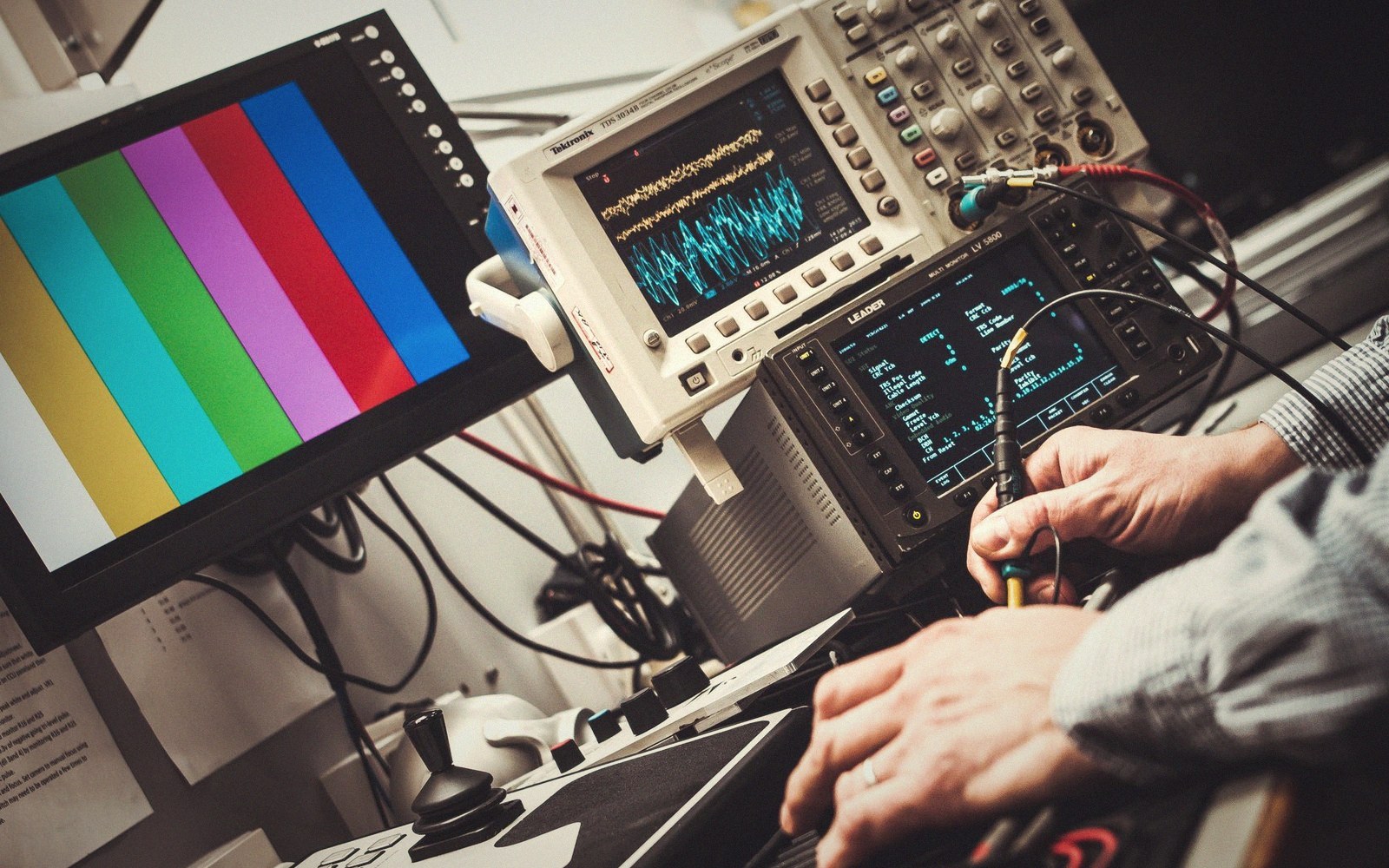
Every reading is taken off the panel itself, in the light the room will actually have.
Photo: Alexander Dummer / Pexels
The Geometry of the Problem
Light reaches the screen two ways: direct and indirect. Direct is easier to think about — a window, a ceiling fixture aimed at the screen, a practical lamp in the field of view.
Indirect is sneakier. Light bounces off the floor, the ceiling, the wall behind the viewer, the viewer's own shirt, and a fraction of every bounce lands on the panel. A pale carpet under bright overhead lighting can contribute measurable glare even when no fixture is aimed at the screen at all.
Glossy screen surfaces improve the viewing experience in dark rooms by delivering deeper blacks, — the panel's filter layer absorbs ambient before it reflects.
But geometry defeats even an excellent anti-reflective coating when a bright source sits at the specular angle. A 400-nit image cannot overpower a 300-nit glare patch; the eye reads the brightest point in the scene as reference, and everything else is judged relative to it.
This is why a projector — which typically peaks between 50 and 150 nits on a normal screen — is almost always used in a sealed, darkened room. It cannot win a light fight.
The room lifts the black whether the source is specular or diffuse, whether the panel is emissive or transmissive. The mechanism differs; the result does not.
Lifted out of the flow — Light in the Room
Key relationships
What You Can Actually Control
The room is an engineering problem, and like most engineering problems it has a hierarchy of interventions ordered by leverage.
Block the source. Blackout blinds on every window are the highest-leverage single action in almost any room — far more effective than buying a brighter panel.
A window in direct sunlight can deliver tens of thousands of lux to a surface. No consumer display competes with that.
Control the ceiling. Recessed lighting aimed away from the screen, dimmable to near-zero during viewing, eliminates the most common cause of in-room glare.
Downlights are positioned to wash the floor or the rear wall, not the screen wall. Track lighting aimed at the rear of the room is a common compromise in multipurpose spaces.
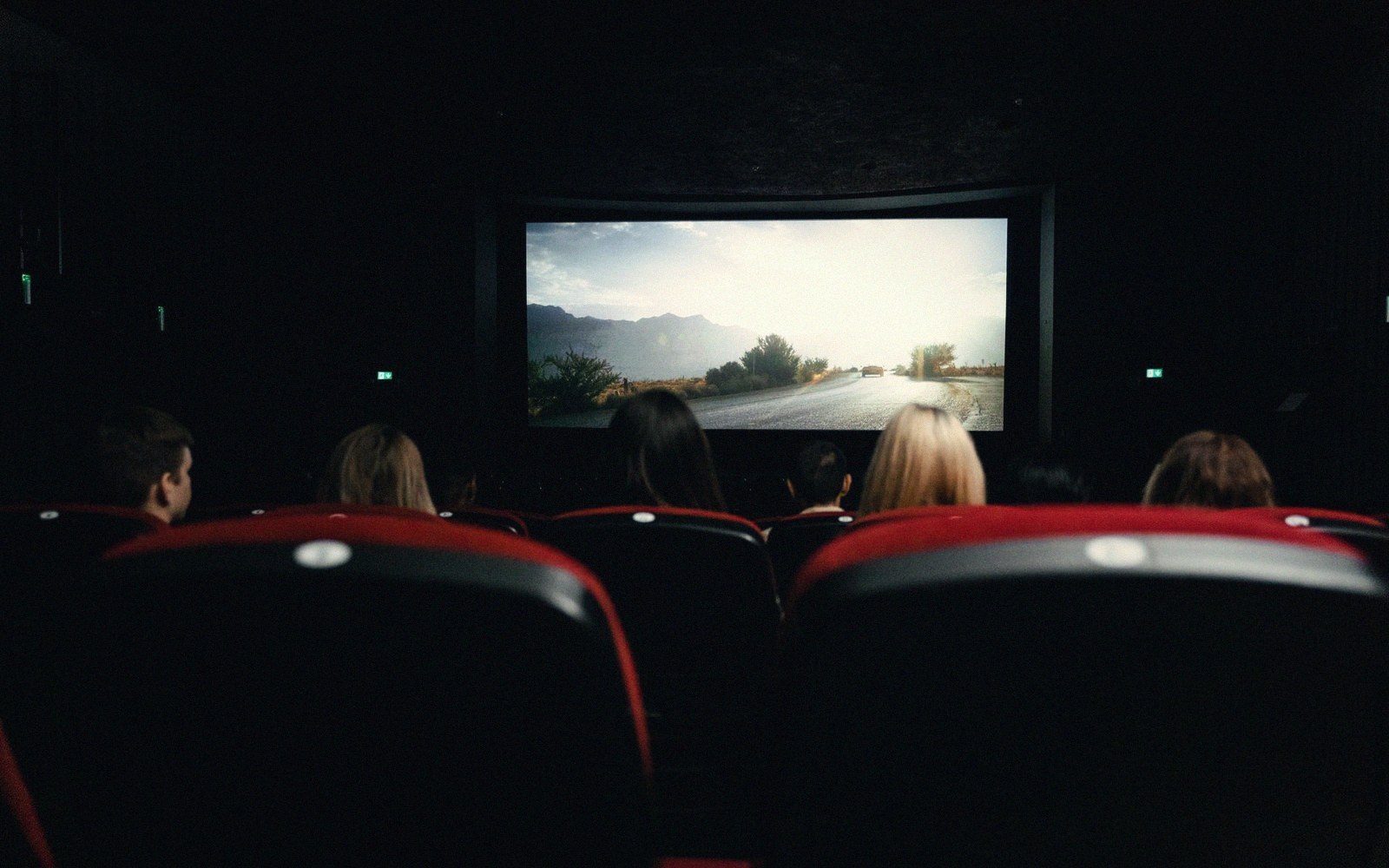
The only light in the room is the one being measured.
Photo: Tima Miroshnichenko / Pexels
Manage surface reflectance. A dark, matte wall behind the screen and dark flooring in front of it each reduce inter-reflection meaningfully.
This is not an aesthetic opinion — it is the same logic as treating first reflections for audio: you are suppressing a spurious signal before it contaminates the primary one.
Bias lighting — a dim, calibrated source behind the screen — does not reduce ambient light, but it raises the perceived black level of the surrounding room wall rather than the screen, tricking the visual system into reading the on-screen black as darker than it is.
It is a perceptual tool, not a physical one, and it works only when the general room lighting is already low.
The rule underneath all of this: spend your room-design effort on darkness before you spend it on peak brightness. A display that can show a true black in a controlled environment will always outperform a brighter panel competing with an uncontrolled room.
Track lighting aimed at the rear of the room is a common compromise in multipurpose spaces.
Lifted out of the flow — Light in the Room