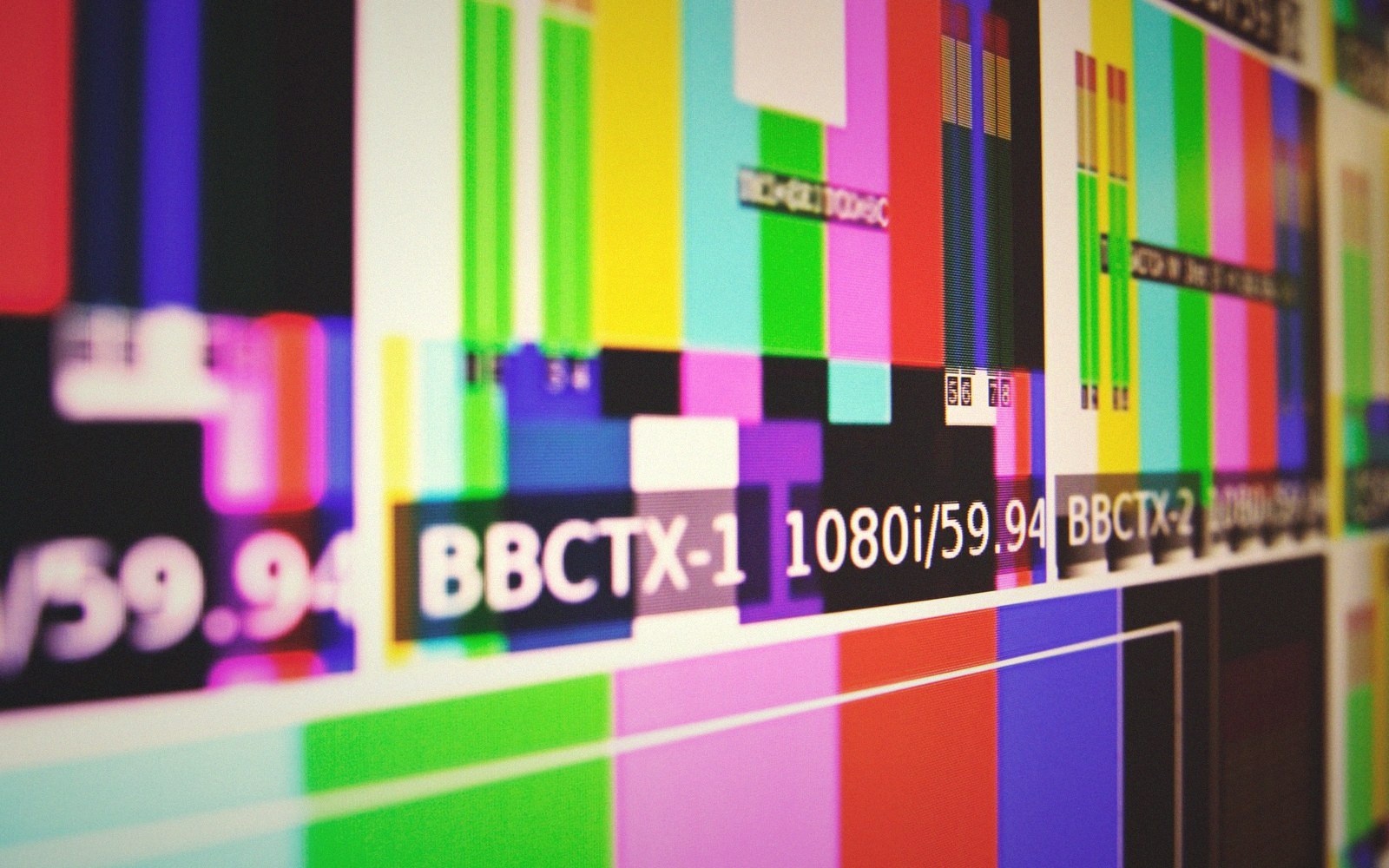
What a contrast figure means
Fig. 01 · A quoted ratio is a lab measurement; the room writes its own. · Photo: Tim Mossholder / Pexels
The number on the box describes a laboratory ritual that has almost nothing to do with your room.
- The trade-off
- A figure measured sequentially in the dark against performance in a room with a lamp on.
- Which way to spend
- Spend on measuring your own room instead of reading the box.
The measurement is real; the conditions are not
Contrast ratio, in principle, is simple: measure the brightest white the panel can produce, measure the darkest black, divide. A display claiming one million to one sounds extraordinary — and in the specific, controlled moment when that figure was captured, it may even be accurate.
The trouble is the "specific, controlled moment," because the conditions required to produce it bear no resemblance to the room you are building.
Most quoted figures are measured in complete darkness, often with the panel in a maximum-backlight mode that no calibrated setup would ever use, and — for LCD panels — with only a small patch of white on screen at a time, or only a small patch of black.
That last detail is where numbers become fantasy. An LCD that uses local dimming can dim the backlight behind a black patch while the white patch blazes.
Each measurement is real; showing them simultaneously on the same frame is not what is being measured. The ratio you are comparing is the ratio of two events that never co-existed on screen.
OLED and microLED panels, both emissive technologies, do produce per-pixel control in a way transmissive LCD panels cannot, so their figures are slightly more meaningful — but they are still measured in darkness, at limits you will never run the display at during a film.
A calibrated OLED is dialed back well below its peak brightness ceiling, which compresses the measured ratio considerably.
2
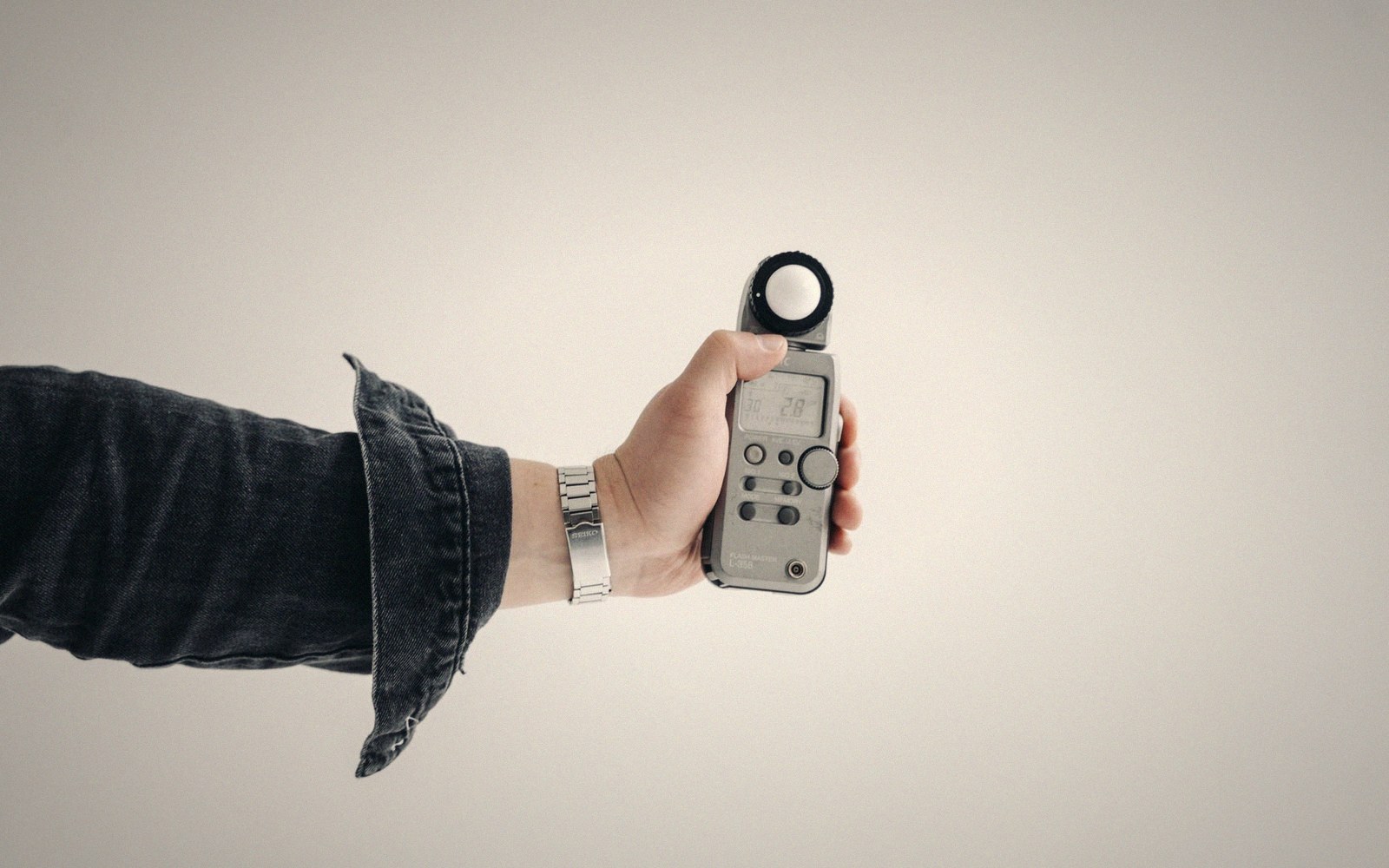
A grey-scale run read off the panel rather than off the menu.
Photo: Tima Miroshnichenko / Pexels
What degrades the number in practice
Three forces eat into contrast the moment a panel enters a real room.
First, the panel's own black level is never absolute zero. LCD panels leak backlight through the liquid-crystal layer even when asked to show nothing; local dimming helps but is not per-pixel.
Even OLED panels, whose blacks are genuinely near-zero in a dark room, have a noise floor that rises with panel temperature and age.
Second, and far more damaging for most builders: ambient light. Any photon in the room that reaches the screen raises the black floor without raising the white ceiling proportionally, because the room's light reflects off the screen surface equally whether the pixel beneath it is trying to be white or trying to be black.
The white gains a little reflected light; the black gains the same reflected light — but the black started near zero, so the proportional hit is catastrophic. A room with modest ambient light can reduce a panel's effective contrast ratio by an order of magnitude or more.
This is not a defect of the display; it is physics, and it is why the room lifts the black in a way no firmware update can correct.
Lifted out of the flow — Contrast
The numbers in context
Third, the screen's own optical gain and surface treatment scatter light internally. An anti-glare coating diffuses incoming light but also diffuses the light coming the other way, softening the absolute black. A glossy surface holds black better but flings reflections.
The figure worth caring about
Rather than the quoted peak ratio, what matters to your actual viewing experience is the in-room contrast, sometimes called the ANSI contrast or "checkerboard" contrast — measured with a pattern of alternating black and white rectangles on screen simultaneously, in a representative lighting environment.
This figure is rarely published because it is unflattering, but it is the honest one. ANSI contrast figures for LCD panels often land an order of magnitude below the sequential figures manufacturers advertise.
The practical upshot is that decisions about room light and screen surface treatment yield more real-world contrast than any upgrade between display technologies at the same price point. A well-darkened room with a neutral-grey wall finish behind the viewer can improve effective contrast by a factor of five or ten.
The arithmetic is not subtle. Before you spend on a panel with a larger ratio printed on its specification sheet, ask how controlled your room's light actually is — because that is the variable doing most of the work.
Contrast ratio figures are not lies. They are honest answers to a question nobody actually lives with.
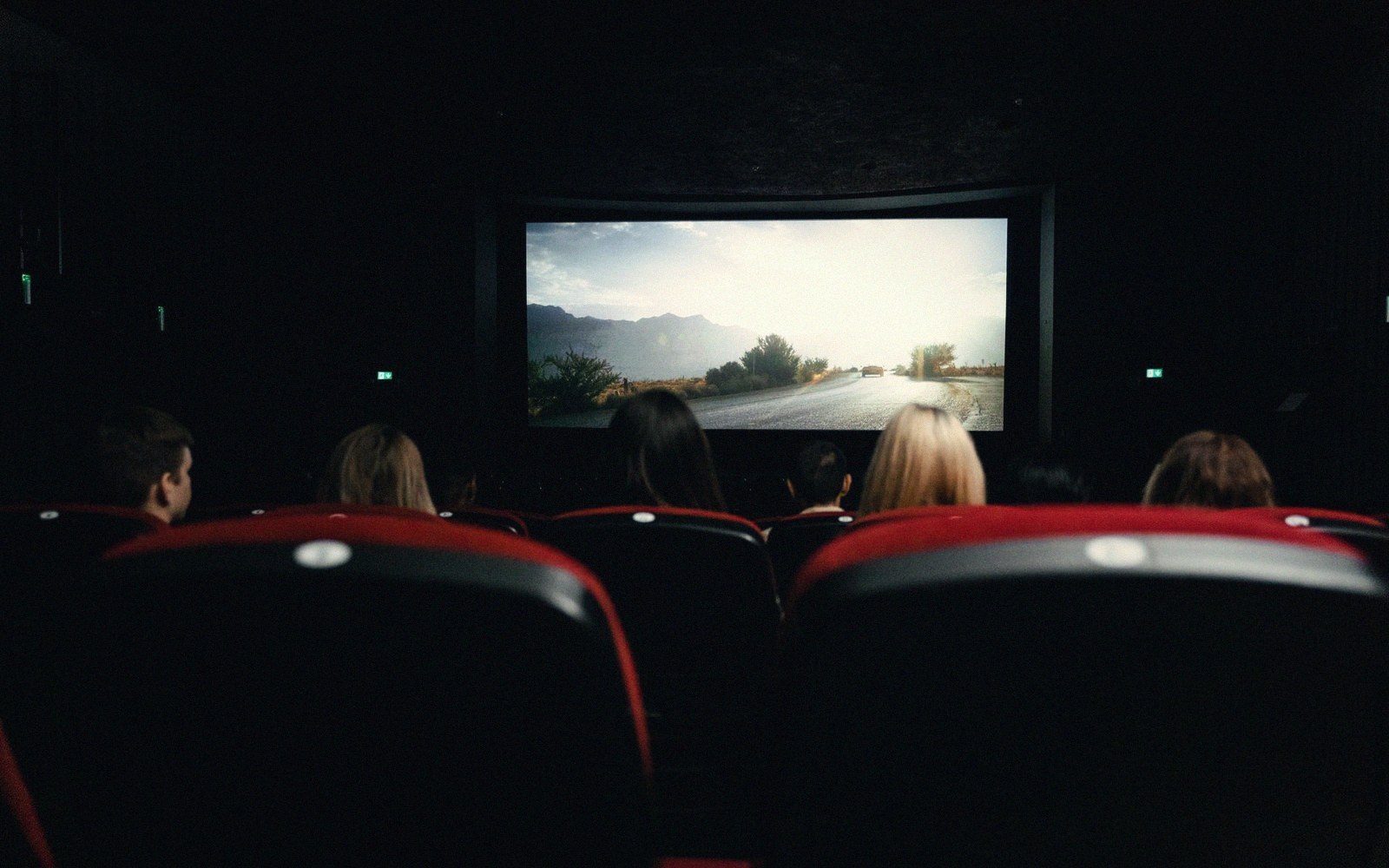
The only light in the room is the one being measured.
Photo: Tima Miroshnichenko / Pexels
Third, the screen's own optical gain and surface treatment scatter light internally.