Toe-in
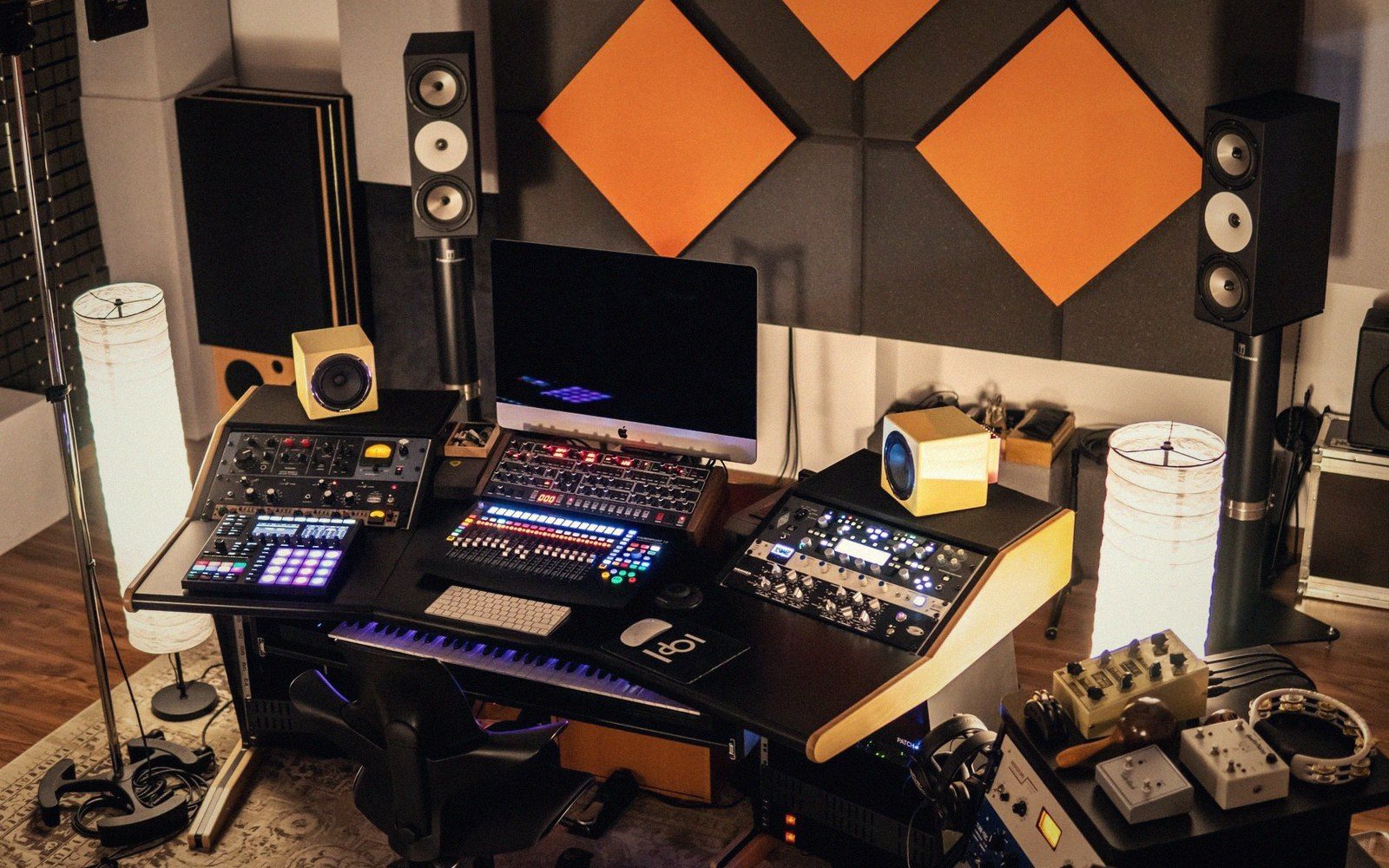
Fig. 01 · Aiming trades the size of the sweet spot against its precision. · Photo: Andreu Marquès / Pexels
Aim the speakers straight ahead and the sweet spot widens; angle them toward the seat and the image sharpens. You cannot have both at once.
- The trade-off
- One excellent seat against three acceptable ones.
- Which way to spend
- Spend on angle. It is free.
The Geometry of Aim
A speaker's high-frequency output narrows with rising frequency. Tweeters, in particular, behave like a torch beam: on-axis the response is flattest and brightest; move off-axis and the treble rolls back first, leaving a progressively darker, duller sound.
Toe-in is simply the angle by which you rotate each speaker toward the primary listening position, trading coverage width for on-axis precision.
With zero toe-in — both cabinets pointing straight forward — the listening seat sits somewhere off the axis of each driver. How far off depends on the triangle geometry: the wider the speakers relative to the listening distance, the more pronounced the off-axis effect.
In a typical domestic arrangement this means the treble arriving at the seat is already slightly shelved down, and the stereo image, while stable enough in the centre, softens at the edges and loses precision.
Rotate each speaker inward until both tweeters aim directly at the seat — full toe-in — and you recover that flat on-axis response. Phantom centre images snap into focus, transients sharpen, and localisation becomes more precise.
The cost is immediate: the sweet spot tightens to roughly the area between the two convergence points. Move laterally by even half a metre and one ear begins receiving significantly more treble than the other, collapsing the image toward the nearer speaker. A second seat to the side of the primary position can sound quite different from the primary one.
2
Toe-in is set from the seat with a tape, not judged from behind the cabinet.
Photo: Jens Mahnke / Pexels
Most rooms land somewhere between these extremes. A moderate toe-in — enough to bring the tweeter axis to within about ten to fifteen degrees of the listener — captures most of the on-axis clarity without reducing the sweet spot to a single chair.
The exact angle depends on the speaker's own dispersion pattern, which is a function of cabinet width, driver diameter, and waveguide geometry. A narrow, well-controlled dispersion pattern is more sensitive to toe-in, since the seat moves noticeably off-axis sooner; a wide, omnidirectional design is less sensitive to the angle altogether.
First reflections complicate this further. More toe-in generally means the speaker's main lobe misses the side walls, which can reduce the early lateral reflection energy — useful in rooms with hard, untreated surfaces.
Whether that net effect is an improvement depends entirely on the room. The point is that toe-in is not purely about the direct sound; it redirects energy throughout the space.
Set the geometry first — two speakers and a seat form a triangle, and the distances set the scale of everything. Then adjust toe-in as a fine control on image precision versus coverage, not as a way to compensate for a poorly chosen speaker position.
Lifted out of the flow — Placement
The core trade-off in numbers
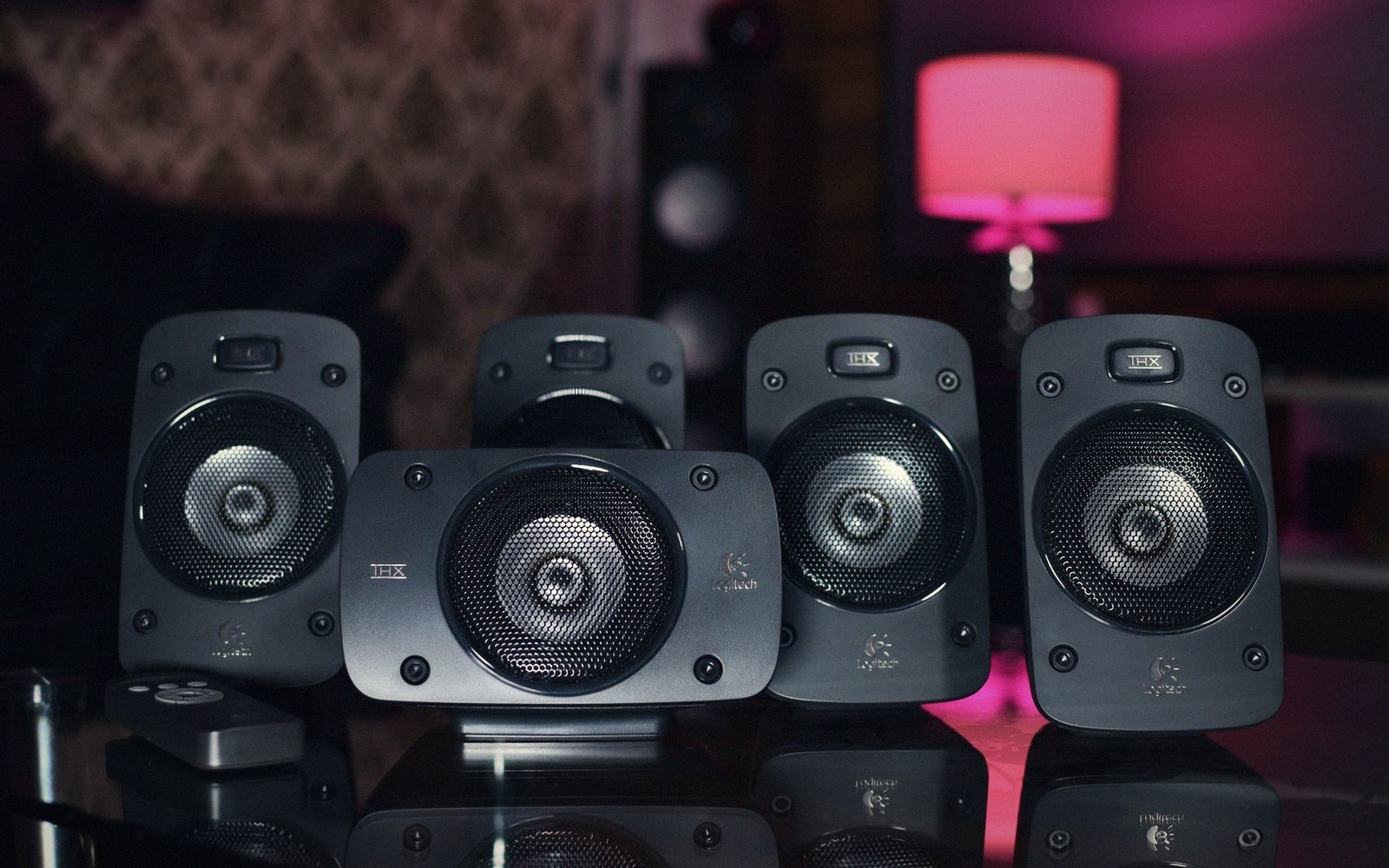
Aiming trades the size of the sweet spot against its precision.
Photo: Avinash Kumar / Pexels
A second seat to the side of the primary position can sound quite different from the primary one.